A tooth extraction is the removal of a tooth that cannot be saved or that causes problems by remaining in the mouth. In dentistry it is the last option; treatments that can preserve the tooth are considered first.
This page explains when an extraction is needed, how it is done and what to pay attention to afterwards, for information purposes.
Which options are considered first?
| Situation | Tried first |
|---|---|
| Deep decay affecting the pulp | Root canal treatment |
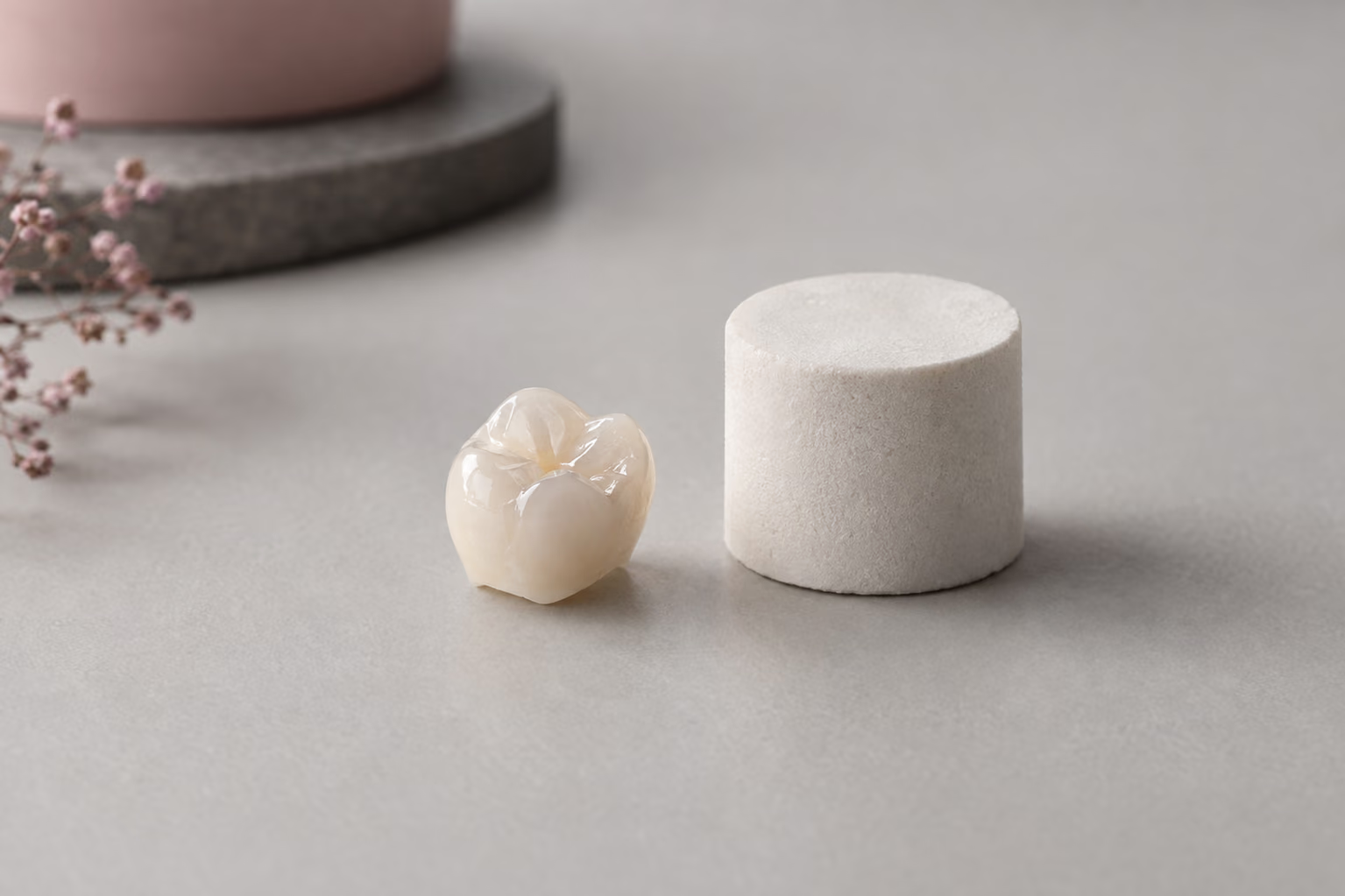
| Major loss of tooth structure, risk of fracture | Crown (zirconia / porcelain) |
| Gum disease | Periodontal treatment |
| Broken filling, leaking restoration | Replacing the filling |
| Inflammation at the root tip | Root canal retreatment |
If none of these options can keep the tooth in the mouth, extraction is considered.
When is an extraction needed?
- A tooth decayed or fractured beyond repair
- A tooth with a root fracture
- A loose tooth that has lost its bone support due to advanced gum disease
- A source of infection that does not respond to treatment
- Situations where space is needed for orthodontic treatment
- Impacted teeth causing problems — see Wisdom Tooth Removal
- Teeth that need to be removed as part of prosthetic planning
How is an extraction carried out?
- Examination and X-ray. The number and shape of the roots and the surrounding bone are assessed, along with the relationship to nearby anatomical structures.
- Medical history. Medication (especially blood thinners and bone medicines), heart valve disease and diabetes are reviewed.
- Anaesthesia. The area is numbed with local anaesthesia.
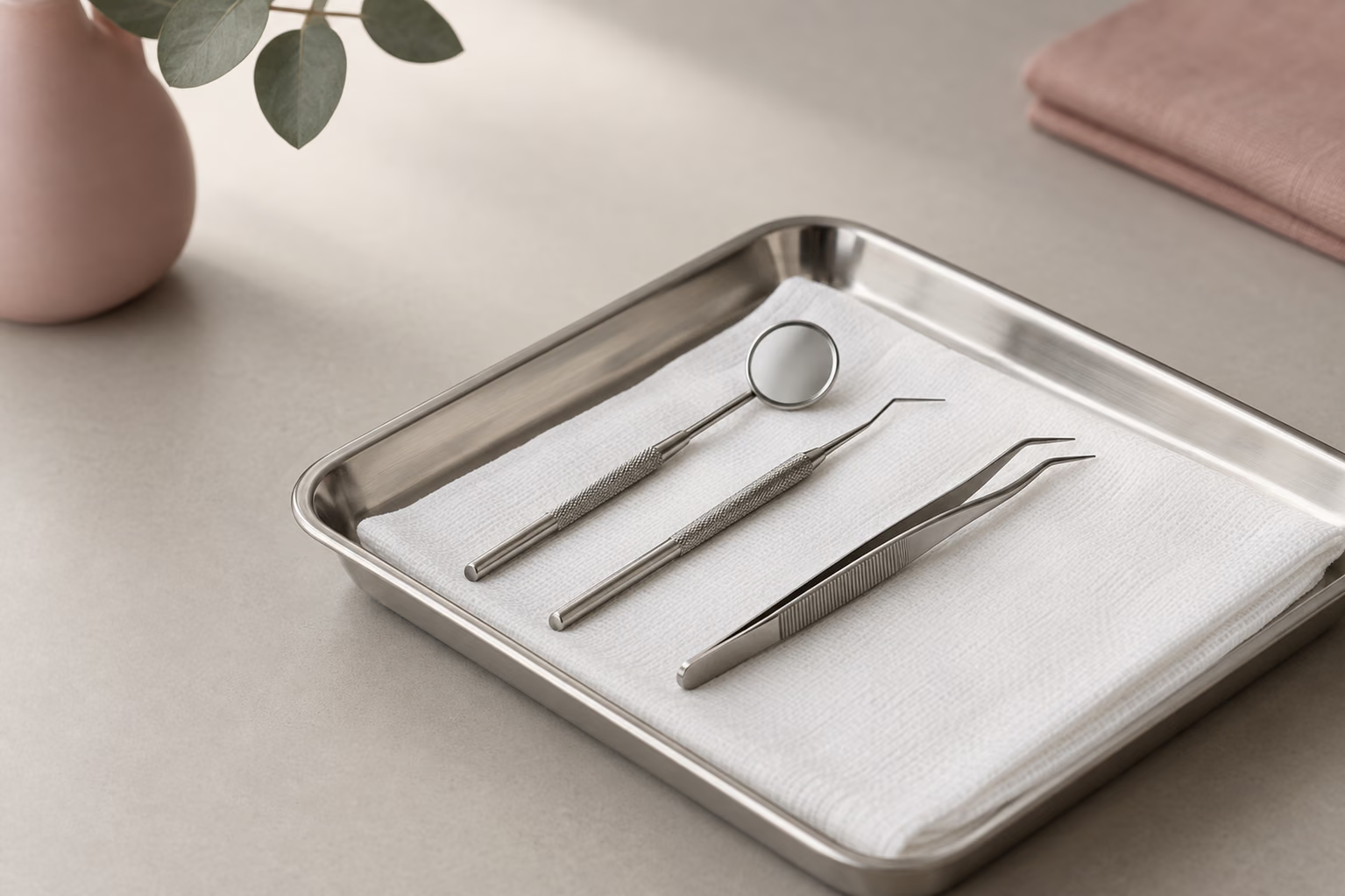
- Extraction. The tooth is loosened from its socket and removed with suitable instruments. If the root structure is unfavourable, a surgical approach may be needed.
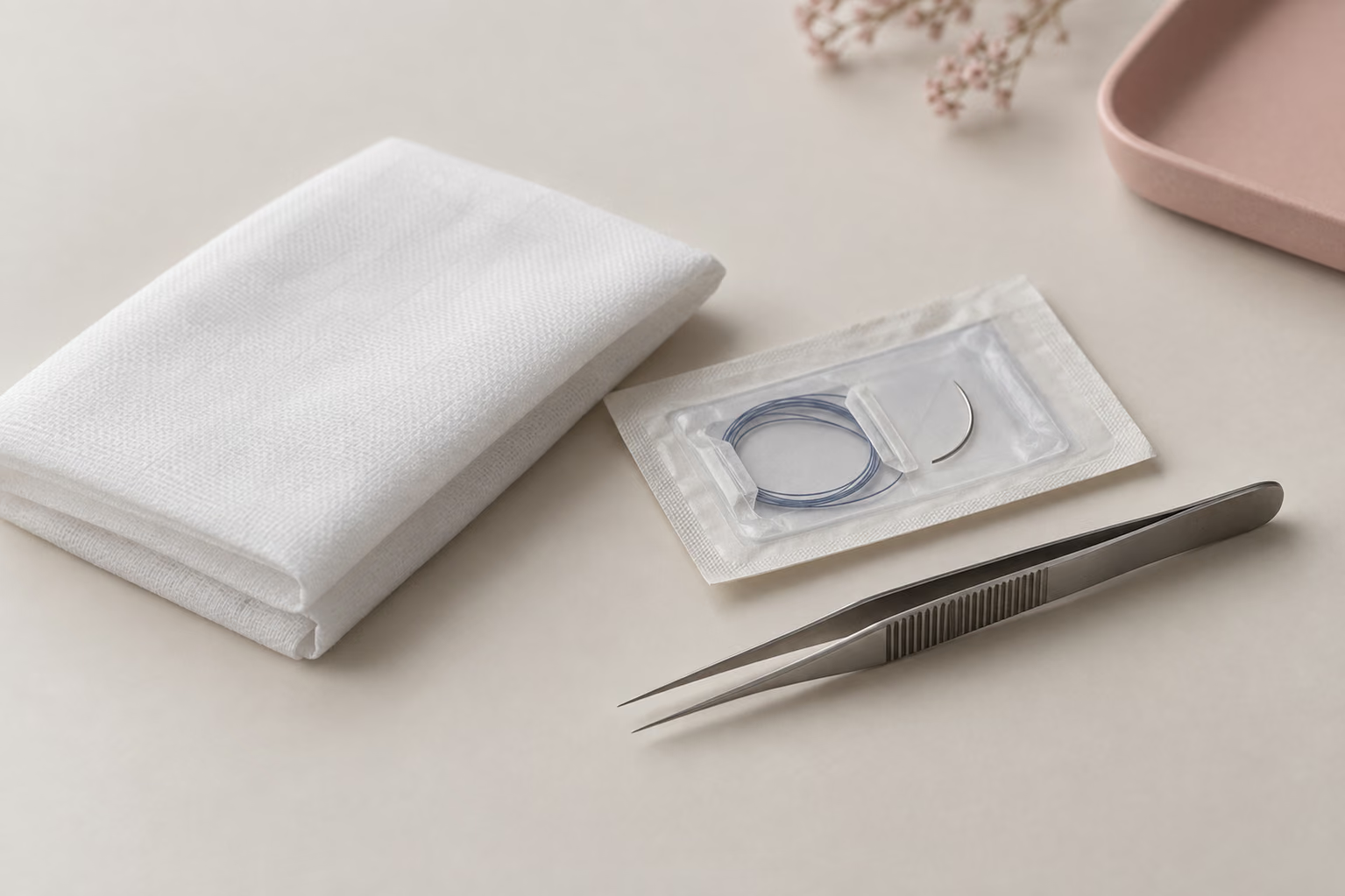
- Cleaning. The socket is cleaned; stitches are placed if needed.
- Gauze. You bite on sterile gauze to stop the bleeding.
- Information. Aftercare and medication are explained.
Aftercare
The first 24 hours
What to avoid:
- Spitting, rinsing vigorously, gargling
- Drinking through a straw
- Smoking
- Hot food and drinks
- Touching the area with your tongue or fingers
- Strenuous physical activity
What is recommended:
- Biting on the gauze for the time your dentist advises
- Applying cold to the cheek from outside, at intervals
- Resting with your head slightly raised
- Eating soft, lukewarm foods
- Taking prescribed medication exactly as instructed
The following days
| Day | Advice |
|---|---|
| Day 2 | Gentle rinsing with warm salt water may begin, as your dentist instructs |
| Days 2–3 | Swelling is at its most noticeable, then decreases |
| After day 3 | Brush the other teeth normally; protect the extraction site |
| Around day 7 | Stitches, if any, are removed |
| 2–3 weeks | The gum has largely closed |
How can the gap be closed?
If the gap left by an extracted tooth stays empty for a long time, the neighbouring teeth may tilt, the opposing tooth may over-erupt and the bone at the extraction site may shrink. Options:
| Option | Summary |
|---|---|
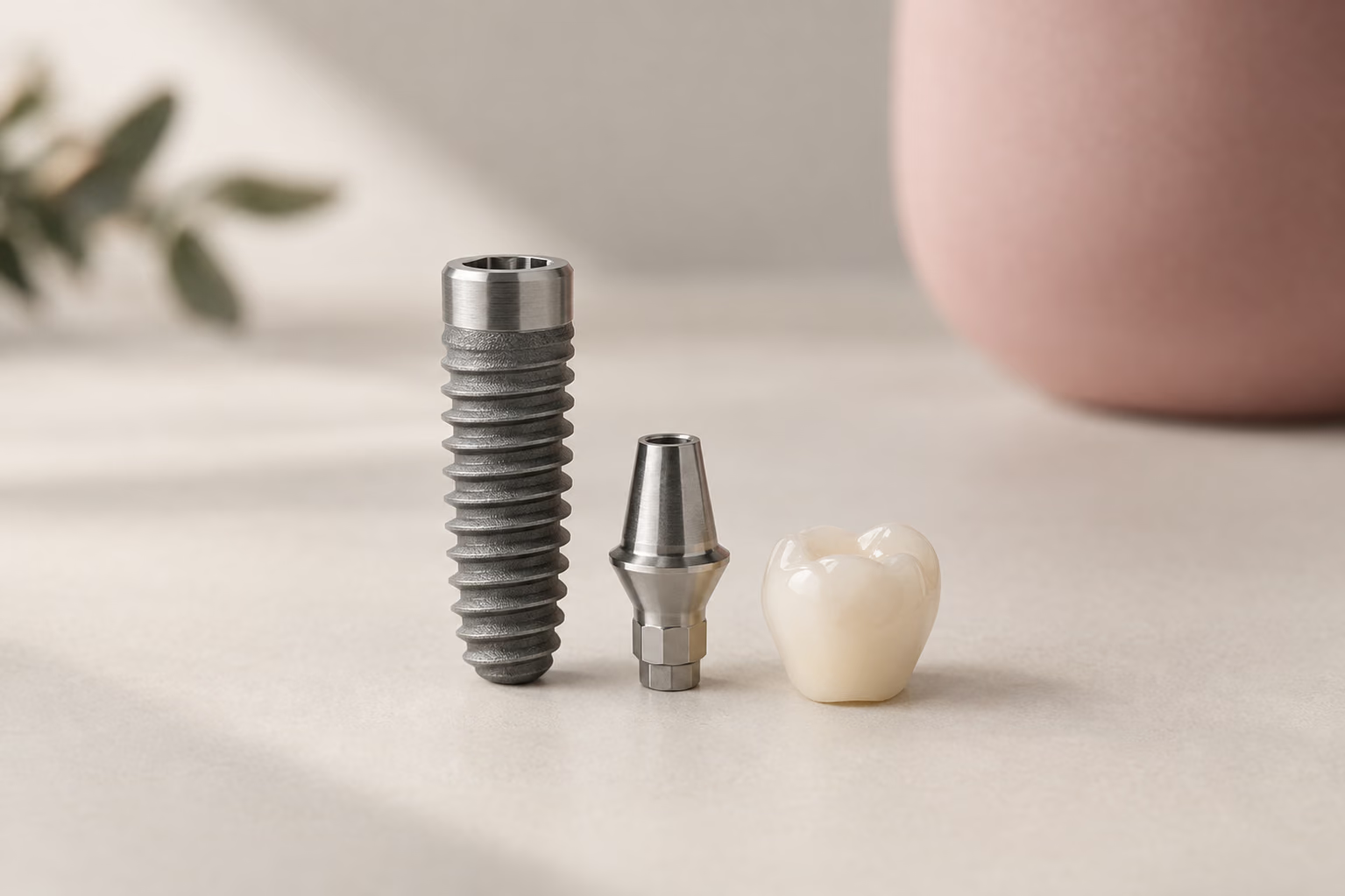
| Implant | Neighbouring teeth are not touched; requires surgery and a healing period |
| Fixed bridge | Completed in a shorter time; neighbouring teeth need to be reduced |
| Partial denture | Removable; may suit several missing teeth |
For details, see Dental Implants and Dentures and Dental Prostheses.
Risks and complications
- Dry socket: early loss of the blood clot and severe pain
- Infection at the extraction site
- Prolonged or recurrent bleeding
- Swelling and bruising
- Damage to the neighbouring tooth or its restoration
- Fracture of a root tip and the need for an additional procedure
- Numbness due to the proximity of the nerve in the lower jaw
- Problems related to the sinus in the upper back jaw
- Shrinkage of the bone at the extraction site over time
This list is not exhaustive. Risks specific to you are discussed during the examination and the informed consent process.
When should I contact my dentist?
- Bleeding that does not stop or starts again
- Pain that increases after the third day and is not relieved by medication
- High fever, widespread swelling
- Increasing difficulty opening your mouth
- A bad smell and taste in the mouth
In an emergency, call 112.
What should patients travelling from abroad consider?
A simple extraction takes one short visit, but swelling peaks on days 2–3, and closing the gap afterwards is a separate treatment with its own timeline. Whether a tooth needs to be extracted, or can still be saved, is decided only after an examination and X-rays.
| Topic | What to know |
|---|---|
| Procedure | About 10–30 minutes for a simple extraction; surgical extraction may take longer |
| First days | Swelling is most noticeable on days 2–3; stitches, if any, are removed around day 7 |
| Closing the gap | An implant may be placed in the same visit or after healing, depending on the findings |
| Health information | Share your medication list (especially blood thinners and bone medicines) in advance |
| Records in advance | Recent X-rays can be shared before your visit |
| Back home | Stitch removal and check-ups can be arranged with a local dentist |
About treatment fees
No fee information is given on this page. The scope of the procedure depends on the condition of the tooth and on whether a simple or surgical extraction is needed; fees can only be discussed after an examination and X-ray assessment.