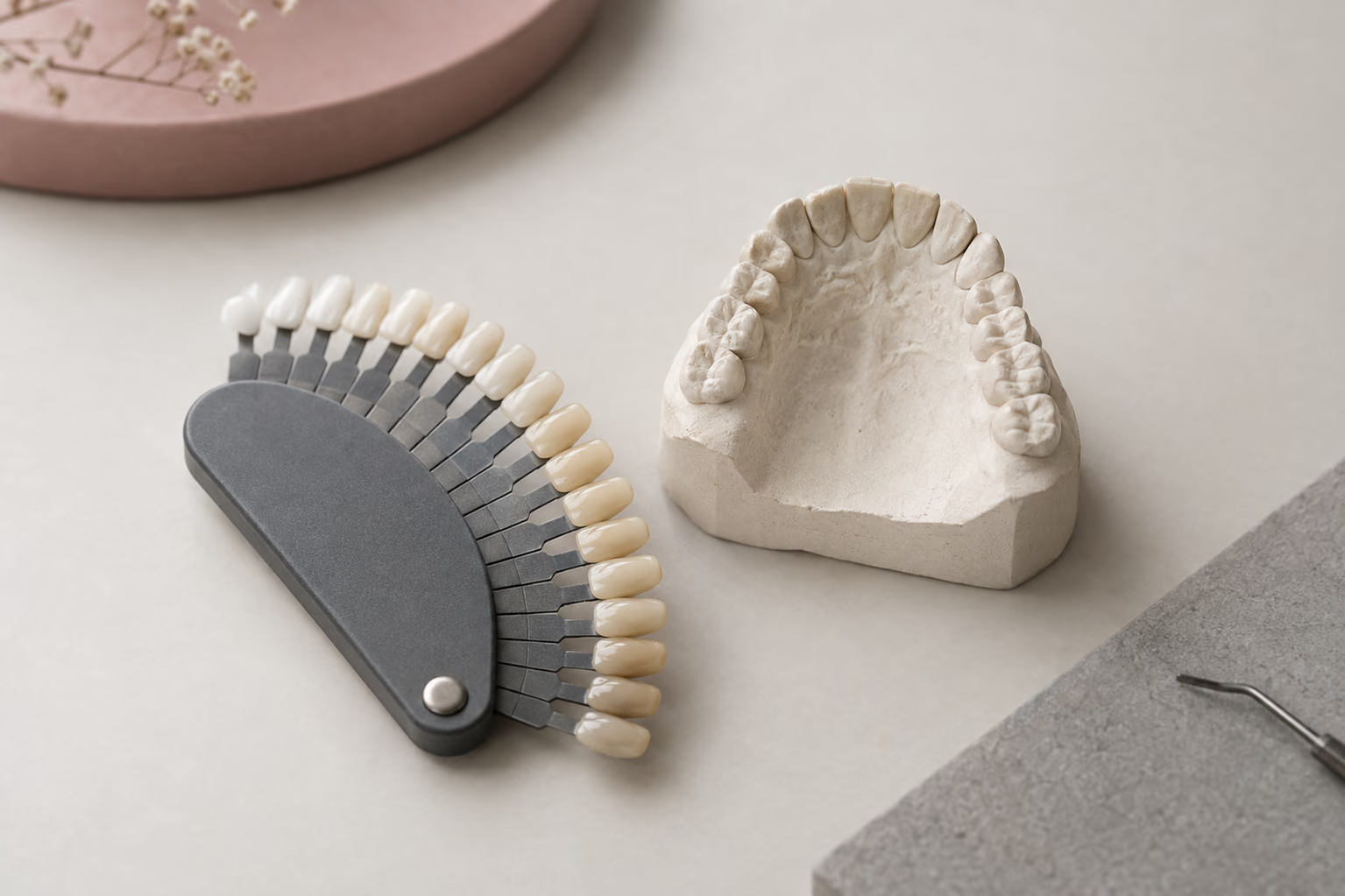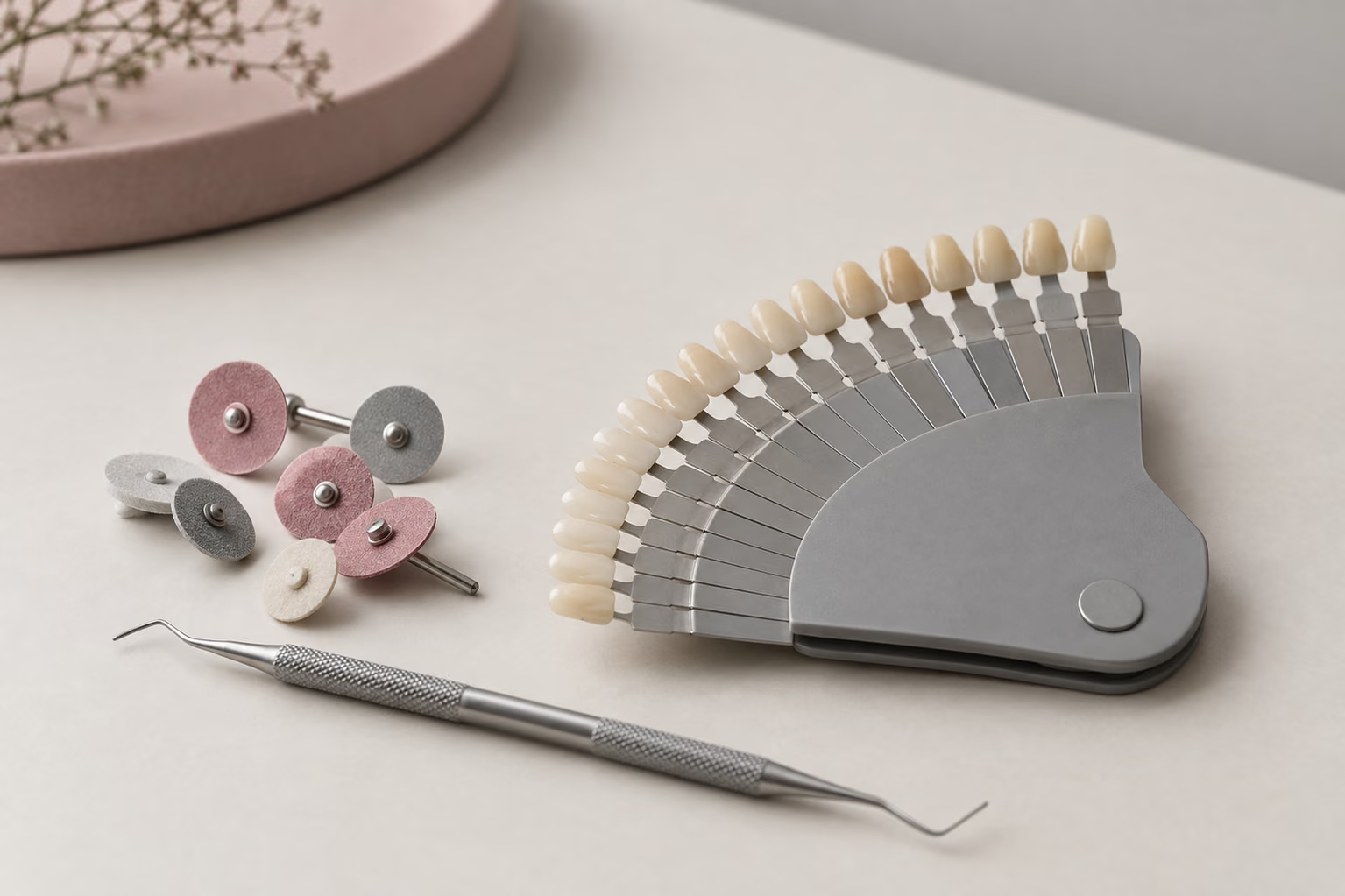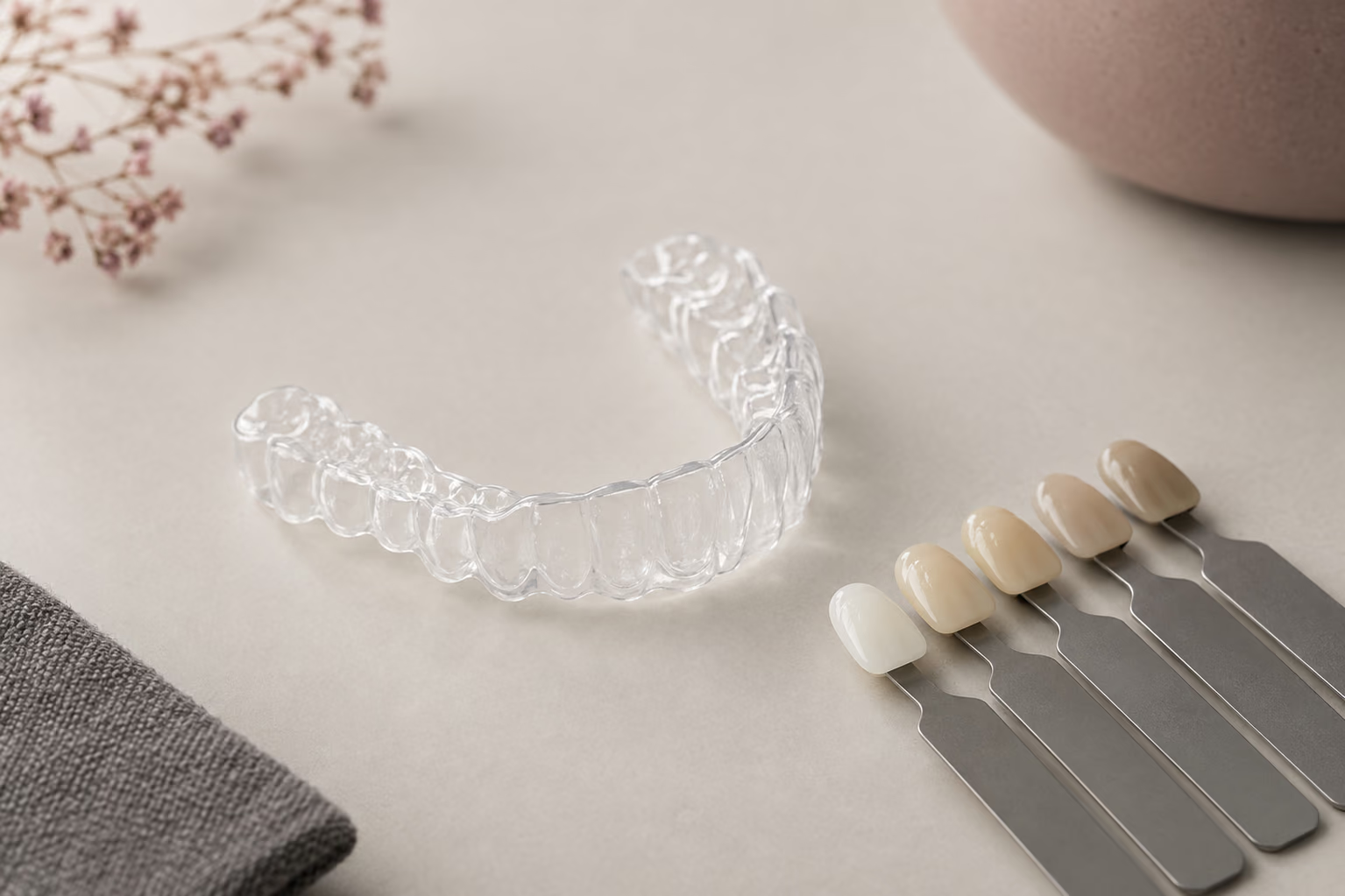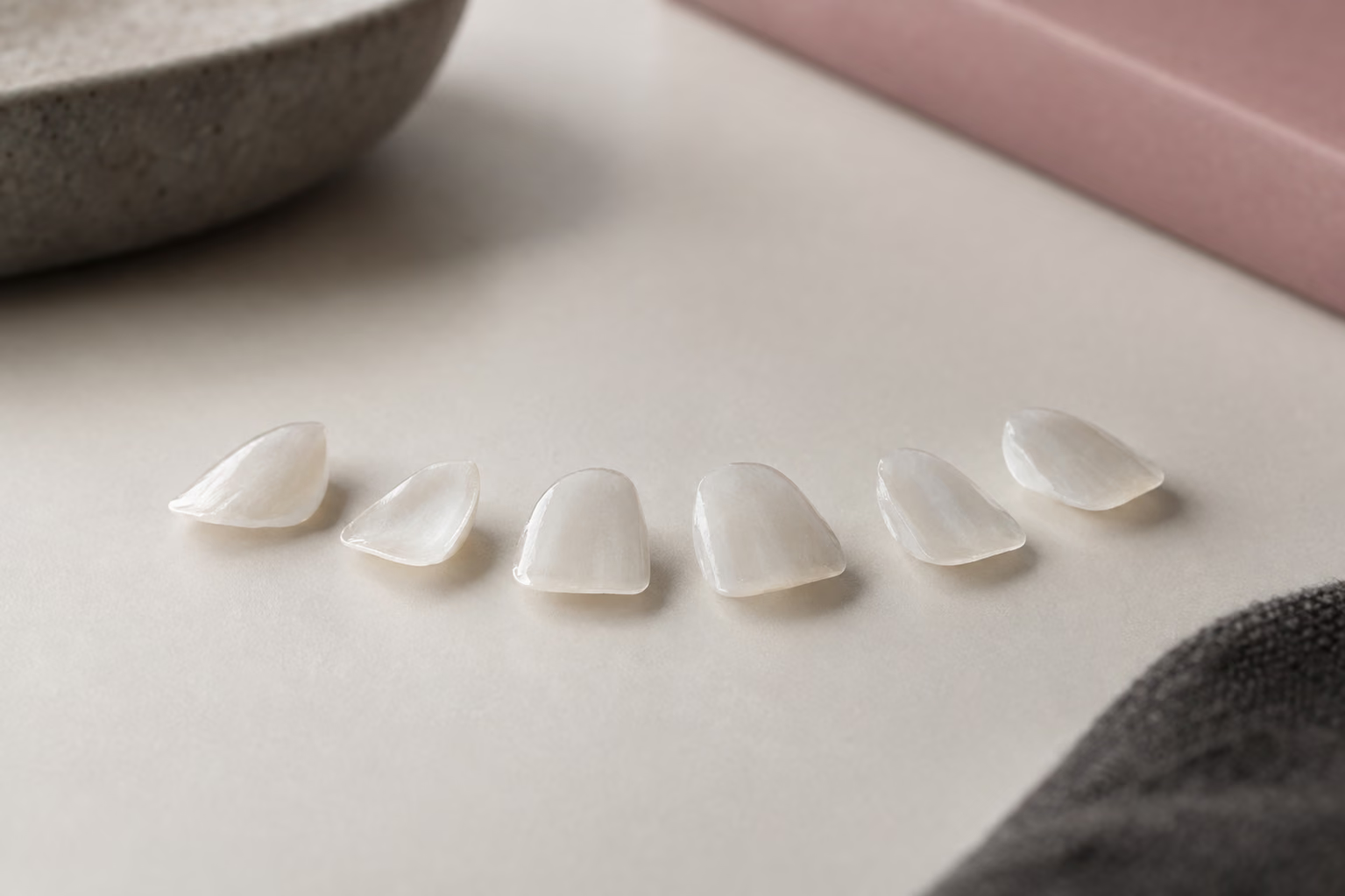
A porcelain veneer — commonly called a laminate veneer — is a thin layer of porcelain bonded only to the visible front surface of a tooth. It is used to change the colour, shape and alignment appearance of the teeth.
This page explains, for information purposes, how the treatment is carried out, who it is suitable for and when it is not suitable. Results vary from person to person; suitability can only be determined after an examination.
What is the difference between a veneer, a crown and a filling?
| Veneer | Crown | Composite filling | |
|---|---|---|---|
| Surface covered | Front surface | Whole tooth | Only the missing area |
| Tooth reduction | Little | More | Least |
| Material | Porcelain | Zirconia / porcelain | Composite resin |
| Typical reason | Colour and shape | Loss of structure, fracture | Decay, small chip |
| Sessions | 2–3 | 2–3 | Usually one session |
If a less invasive option is sufficient, it is considered first.
How are porcelain veneers made?
- Examination and planning. The condition of the teeth and gums is assessed; X-rays are taken if needed. Decay and gum disease are treated first.
- Preparation. Under local anaesthesia, a thin layer is removed from the front surface of the tooth.
- Impression and shade. An impression is taken and a colour matching the neighbouring teeth is chosen. Temporary veneers may be worn while the laboratory work is done.
- Try-in. The fit, marginal seal and colour of the veneers are checked.
- Bonding. The tooth surface is prepared and the veneers are fixed with a special adhesive.
- Check. The bite is checked and adjusted if necessary.
Who is it suitable for?
The main criteria for suitability:
- Sufficient sound enamel on the tooth
- Healthy gums
- No active decay
- A bite that does not place excessive load on the veneer
- Ability to maintain daily oral hygiene
When is it not suitable?
- Insufficient enamel or extensive loss of structure
- Untreated decay or gum disease
- Heavy bite forces and clenching on the front teeth
- Misalignment that could be corrected better with orthodontic treatment
- Situations in which oral hygiene cannot be maintained
Risks and possible problems
- Fracture or cracking of the veneer
- Debonding at the edge and failure of the adhesive
- Decay developing at the veneer margin
- Temporary or lasting tooth sensitivity
- Gum recession making the margin visible
- The colour match being perceived differently than expected
This list is not exhaustive. Your individual risks are discussed during the examination and the informed consent process.
How should veneers be cared for?
| Topic | Recommendation |
|---|---|
| Brushing | Twice a day, with a soft brush and non-abrasive toothpaste |
| Between teeth | Use floss or interdental brushes regularly |
| Habits | Stop nail biting, chewing ice and chewing pens |
| Clenching | Use a night guard if needed |
| Staining foods | Veneers do not change colour, but neighbouring natural teeth can |
| Check-ups | Marginal integrity should be assessed at least once a year |
What should patients travelling from abroad consider?
Porcelain veneers usually need 2–3 sessions, with laboratory time between preparation and bonding; temporary veneers may be worn in the meantime. Any decay or gum disease has to be treated first, which can add time. Whether veneers are suitable for you is decided only after an in-person examination and, where needed, X-rays.
| Topic | What to know |
|---|---|
| Number of sessions | Usually 2–3: preparation, try-in, bonding |
| Between sessions | Laboratory time; temporary veneers may be worn |
| Before you travel | Recent X-rays, photos and dental records can be shared in advance |
| Decision | Suitability is confirmed only after examination |
| Back home | Annual check-ups of the margins can be done by a local dentist |
About treatment fees
This page does not include fee information. The number of teeth to be veneered and any treatment needed beforehand vary from person to person; fees can only be discussed after an examination, once an individual treatment plan has been prepared.