Skip to content
ersaçanclinic
Preventive & Restorative

Teeth Cleaning and Scaling

How is tartar removed, how often is a professional cleaning needed and can it harm the teeth? The procedure, sensitivity afterwards and daily care explained.

Last updated:

Medically reviewed by:Dt. Emre Ersaçan

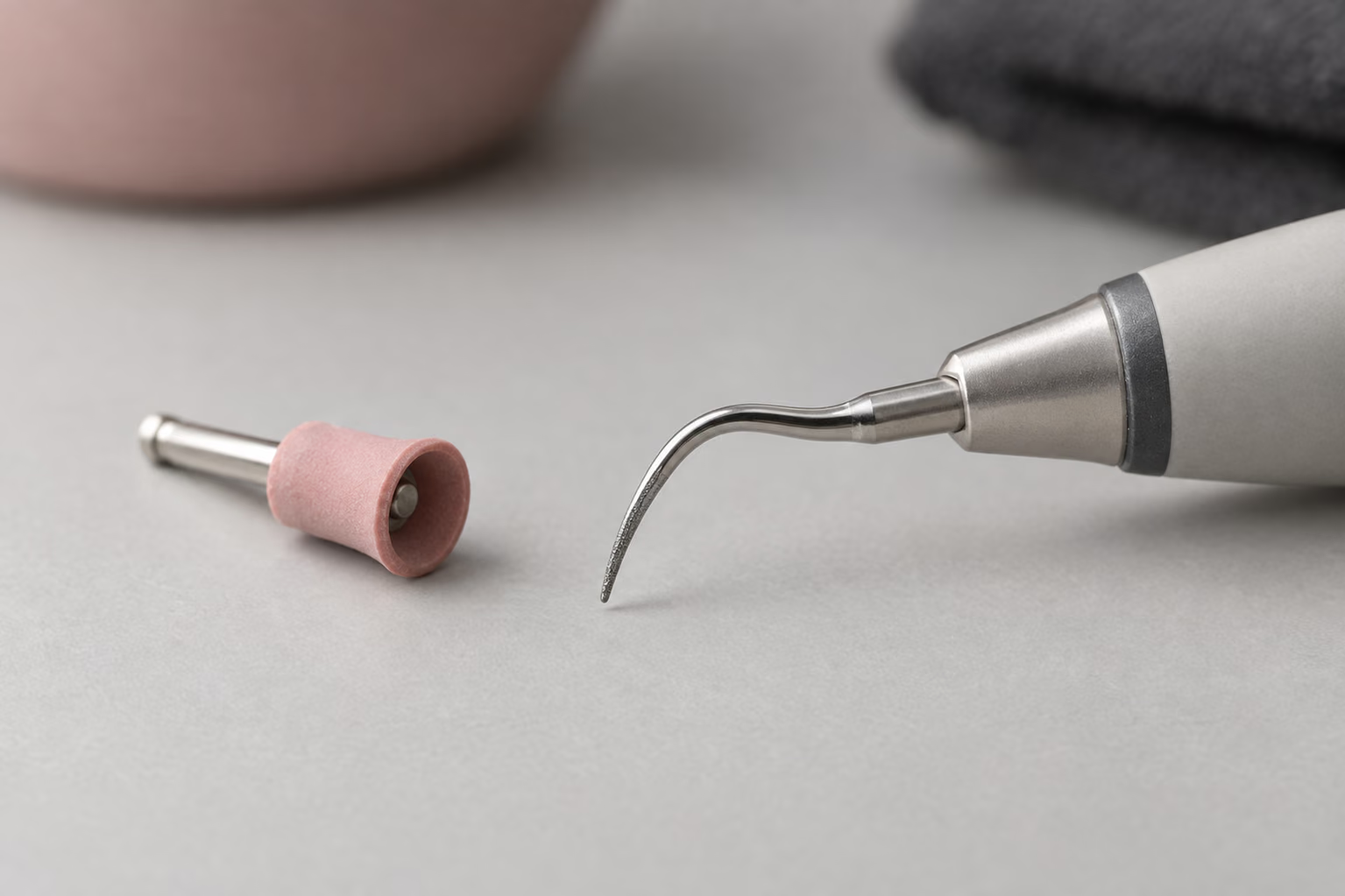
Illustrative image: an ultrasonic scaler tip and a polishing cup

Quick Facts

Procedure time
Usually 30–45 minutes
Number of visits
Mostly a single visit; can be split into two if build-up is heavy
Anaesthesia
Usually not needed; may be used for deep cleaning
Method
Ultrasonic tip and hand instruments, followed by polishing
Frequency
Set by the dentist according to your individual risk

Teeth cleaning (scaling) removes hardened plaque (tartar) that has built up on the tooth surfaces and along the gum line. The aim is to remove the bacterial deposits that cause gum inflammation.

This page explains how the procedure is done, how often it is needed and what to pay attention to afterwards, for information purposes.

How does tartar form?

  1. Bacterial plaque builds up on the tooth surface — at this stage it can be removed with a toothbrush.
  2. Plaque that is not removed starts to harden with minerals from saliva.
  3. Within a few days the hardened plaque turns into tartar.
  4. The rough surface of tartar holds more plaque; build-up accelerates.
  5. Inflammation develops along the gum line and in the gum pockets.

Because of this cycle, daily cleaning matters more than professional cleaning.

How is the procedure carried out?

  1. Examination. The condition of the gums, pocket depths and the extent of build-up are assessed.
  2. Ultrasonic cleaning. A vibrating tip and water break up the hard deposits.
  3. Finishing with hand instruments. Remaining deposits in hard-to-reach areas are removed.
  4. Gum pockets, if present, are cleaned of deposits (under local anaesthesia if needed).
  5. Polishing. The tooth surface is smoothed, which slows down new plaque from attaching.
  6. Care advice. Brushing and interdental cleaning techniques are shown.

Teeth cleaning versus gum disease treatment

Teeth cleaning (scaling)Gum (periodontal) treatment
ScopeTooth surfaces and gum lineGum pockets and root surfaces
WhenPreventive, on a regular basisWhen pockets and bone loss are present
AnaesthesiaUsually not neededOften used
VisitsMostly oneSeveral, divided by area

If pocket depths have increased, cleaning alone is not enough; see Gum Disease Treatment.

How often should it be done?

The frequency is set individually. Factors that affect the interval:

  • How quickly tartar builds up
  • Gum bleeding and pocket depth
  • Smoking
  • Systemic conditions such as diabetes
  • Orthodontic appliances, bridges or implants
  • The standard of daily oral hygiene

After the procedure

TopicWhat to expect / advice
SensitivityMay last a few days; usually fades
Gum bleedingSlight bleeding on the first day is normal
Feeling of gapsAreas covered by tartar are exposed; you get used to it
Staining foodsAvoid tea, coffee and smoking on the first day
BrushingBack to normal the next day; a soft brush is preferable
Interdental cleaningUse floss or interdental brushes every day

Risks and possible problems

  • Temporary tooth sensitivity
  • Temporary bleeding and tenderness of the gums
  • Root surface sensitivity in areas with receding gums
  • Sensitivity at the margins of existing restorations
  • Existing tooth looseness becoming noticeable in advanced gum disease

This list is not exhaustive. Additional precautions may be needed for conditions such as heart valve disease, joint replacements or a weakened immune system; please tell your dentist about your general health.

What should patients travelling from abroad consider?

A cleaning is mostly completed in a single visit, but it can be split into two if the build-up is heavy. Whether cleaning alone is sufficient, or gum treatment is needed, can only be decided after an examination and, where needed, X-rays.

  • Visits: mostly one visit of about 30–45 minutes; two if build-up is heavy.
  • If pockets are found: gum treatment takes place in stages with a re-evaluation several weeks later.
  • Health information: let the clinic know in advance about conditions such as heart valve disease, joint replacements or a weakened immune system.
  • Records in advance: recent X-rays can be shared before your visit.
  • Back home: regular cleanings can continue with a local dentist at the interval they recommend.

About treatment fees

No fee information is given on this page. The extent of build-up and the number of visits needed vary from person to person; fees can only be discussed after an examination.

Frequently Asked Questions

Short answers to the questions patients ask most often about this treatment.

What is tartar and why does it form?

Bacterial plaque that builds up on the tooth surface gradually hardens with minerals from saliva and turns into tartar (calculus). Once hardened, it cannot be removed by brushing; only a dentist can remove it.

Can scaling damage the teeth?

When cleaning is done by a dentist with suitable instruments, no enamel is removed. The procedure removes the hard deposit attached to the tooth surface. The smooth feeling and the sense of gaps afterwards come from the areas that had been covered by tartar now being exposed.

Do teeth become loose after cleaning?

No. In advanced cases tartar acts like a shell that binds the teeth together, and once it is removed any existing looseness becomes noticeable. The cause of the looseness is not the cleaning but the bone loss underneath.

Will my teeth be sensitive after cleaning?

Sensitivity to hot and cold may occur for a few days, especially in people with receding gums. It usually fades; your dentist may recommend a desensitising toothpaste.

How often should teeth be professionally cleaned?

There is no single interval that applies to everyone. A Cochrane review could not show a clear advantage for any particular frequency of routine cleaning in healthy adults; the interval is therefore set by the dentist according to how quickly tartar builds up, the condition of the gums and smoking.

Does cleaning whiten the teeth?

Cleaning does not change the natural colour of the teeth; it removes surface deposits and external stains. The teeth may therefore look lighter afterwards. If a lighter shade is the goal, whitening is assessed separately.

Can tartar be removed at home?

No. Hardened tartar cannot be removed with a toothbrush, floss or mouthwash. Attempts with scraping tools sold online can damage the enamel surface and the gums.

Questions about a treatment? We are a message away.

Whether a treatment is suitable can only be decided after an examination and, where needed, imaging. Contact the clinic to plan your first visit.

References

The information on this page is based on the sources below. Links were accessible when last checked.

  1. Cleveland Clinic. What Happens During a Dental Cleaning?. Health Library
  2. Lamont T, Worthington HV, Clarkson JE, Beirne PV. Routine scale and polish for periodontal health in adults. Cochrane Database of Systematic Reviews (2018). PMID: 30590875
  3. American Academy of Periodontology. Periodontal Treatments and Procedures
  4. NHS. Take care of your teeth and gums. Live Well — Healthy teeth and gums
Treatments

You May Also Consider

Other treatments that are often discussed together with this one.

Root Canal Treatment

What is root canal treatment, when is it needed and how many visits does it take? The stages of treatment, aftercare and possible risks explained.

  • Endodontics
  • Pulp inflammation
  • Tooth preservation
View Details

Dental Fillings

What is a dental filling, when is it needed and how do composite and amalgam differ? The stages of treatment, durability and aftercare explained.

  • Tooth decay
  • Composite fillings
  • Restorations
View Details

Wisdom Tooth Removal

When should a wisdom tooth be removed, and how is an impacted tooth taken out? The stages of the procedure, the healing process and possible risks explained.

  • Impacted teeth
  • Third molars
  • Oral surgery
View Details