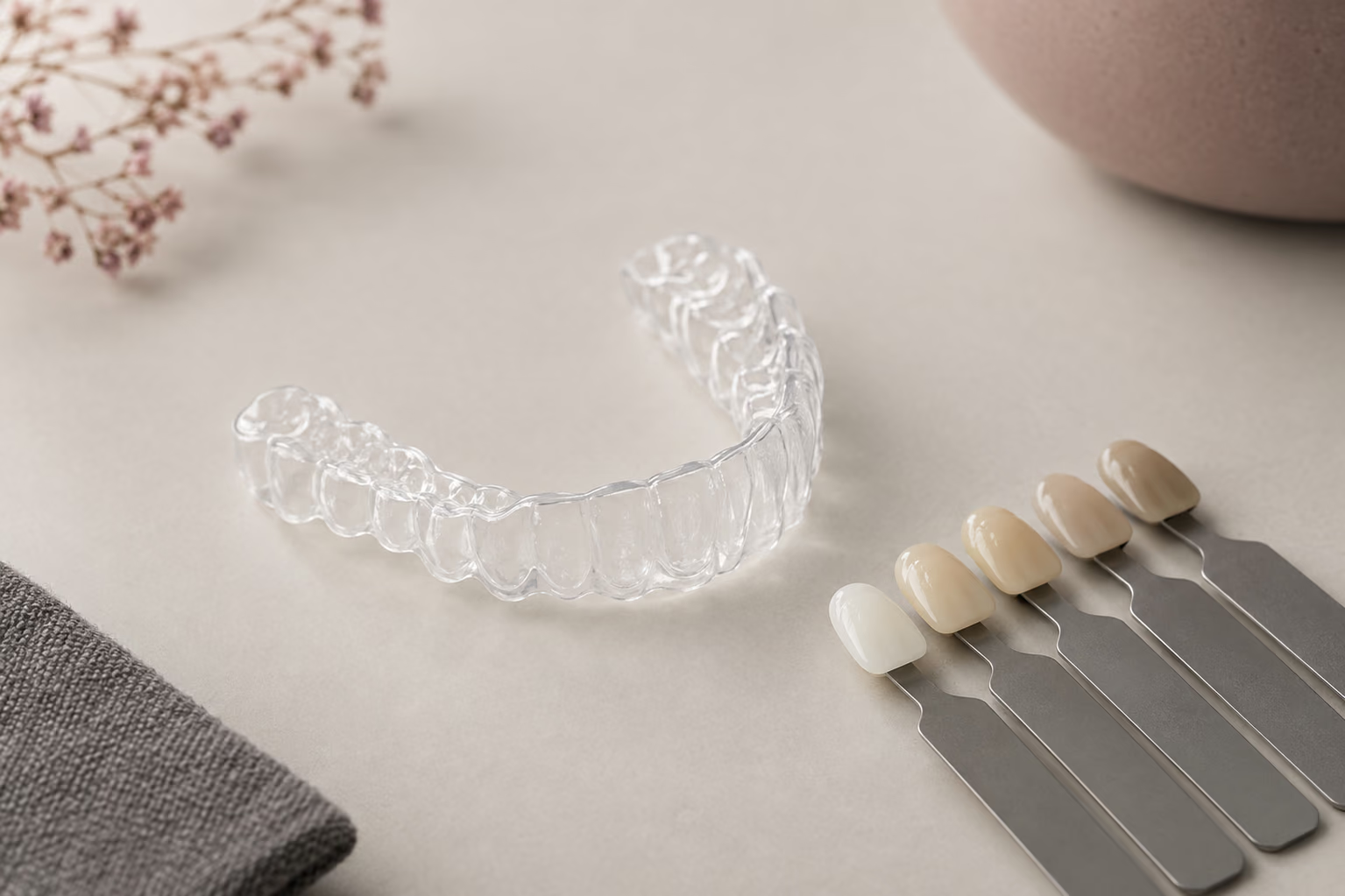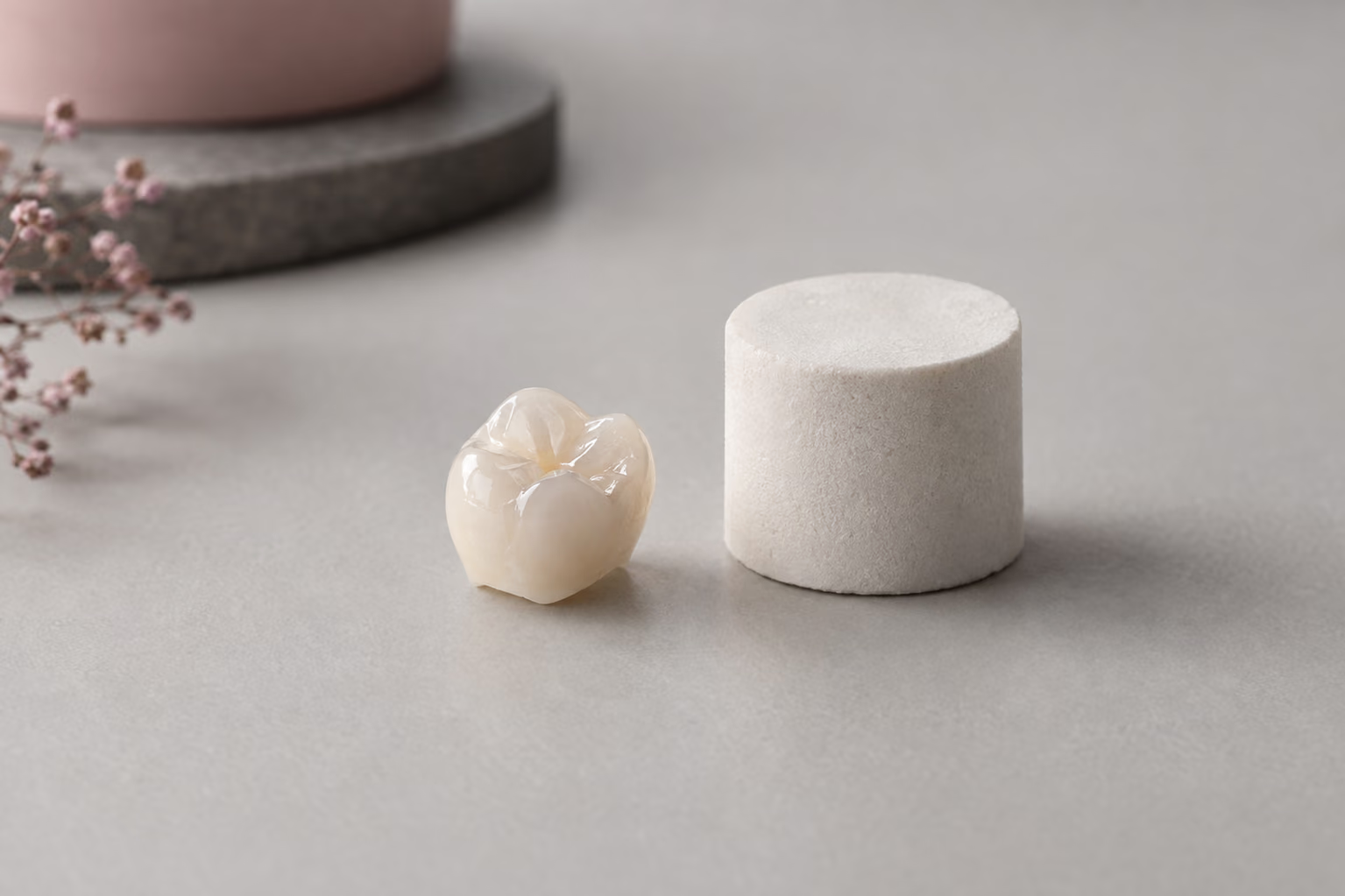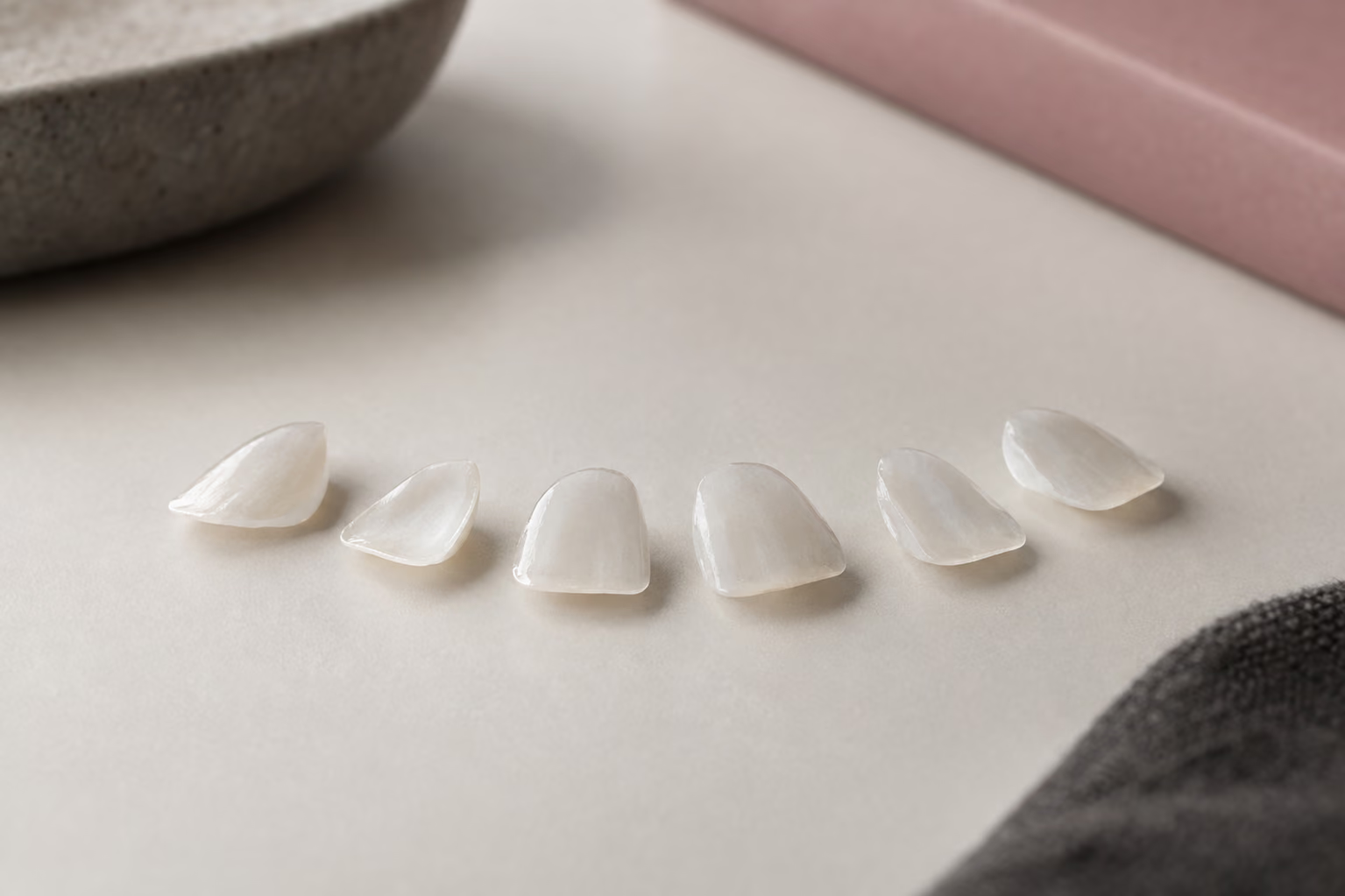
Cosmetic dentistry is the collective name for treatments aimed at the colour, shape, size and alignment appearance of the teeth. It is not a single procedure but a heading that covers several methods.
This page explains, for information purposes, which option is considered in which situation, how the options differ and what their limits are. What is right for you can only be determined after an examination.
Which option for which situation?
| Concern | Considered first | If not sufficient |
|---|---|---|
| Yellowing, external staining | Scaling and cleaning, whitening | Veneers |
| Small chip, notch | Composite filling | Laminate veneer |
| Gap between teeth | Composite bonding | Veneer or orthodontics |
| Marked misalignment | Orthodontics | Veneers (in limited cases) |
| Major loss of structure, root-canal-treated tooth | Zirconia crown | — |
| Uneven gum line | Gum contouring | Combined with veneers |
| Missing tooth | Implant or bridge | — |
The logic behind the order is this: the option that reaches the intended result with the least loss of tooth tissue is preferred.
What is considered when deciding?
- Source of discolouration. External staining can be removed with cleaning and whitening; discolouration originating within the tooth structure responds less well to whitening.
- Extent of structure loss. For small losses a filling is sufficient; when the load-bearing structure of the tooth is weakened, a crown is considered.
- The bite. If the load on the front teeth is high, the risk of thin veneers fracturing increases.
- Gum health. Treatment carried out while gum disease is present has a poorer marginal fit and a shorter lifespan.
- Habits. Clenching and grinding change the method chosen and the protective measures needed.
Are the treatments reversible?
| Treatment | Is tooth tissue removed? | Reversible? |
|---|---|---|
| Teeth whitening | No | The effect fades over time |
| Composite bonding | Very little or none | Largely |
| Laminate veneer | Yes, a small amount | No |
| Zirconia crown | Yes, more | No |
| Gum contouring | Gum tissue | Limited |
For irreversible treatments, the decision should be made after the alternatives have been discussed.
When is it not suitable?
- Untreated decay or root canal problems
- Active gum disease
- Situations in which oral hygiene cannot be maintained
- Uncontrolled clenching and grinding
- Expectations that cannot be met by the available treatment
Risks and points to consider
- Some options require irreversible tooth reduction
- Temporary sensitivity may occur after whitening
- Veneers and crowns can fracture, debond or develop decay
- Composite restorations can discolour over time
- The perception of colour and shape varies from person to person
- No guarantee of results can be given
This list is not exhaustive. Your individual risks are discussed during the examination and the informed consent process.
Related pages
What should patients travelling from abroad consider?
Depending on the method chosen, cosmetic treatment can take anything from a single session to several months. Decay, root canal problems and gum disease are treated first, which may add visits. Which option is suitable is decided only after an in-person examination and, where needed, X-rays.
| Topic | What to know |
|---|---|
| Number of visits | From one session (e.g. whitening) to several months, depending on the method |
| Preliminary treatment | Decay and gum disease are treated before cosmetic work |
| Before you travel | Recent X-rays, photos and dental records can be shared in advance |
| Decision | The method is chosen only after examination |
| Back home | Regular check-ups can continue with a local dentist |
About treatment fees
This page does not include fee information. Because the method used and the number of teeth vary from person to person, fees can only be discussed after an examination, once an individual treatment plan has been prepared.