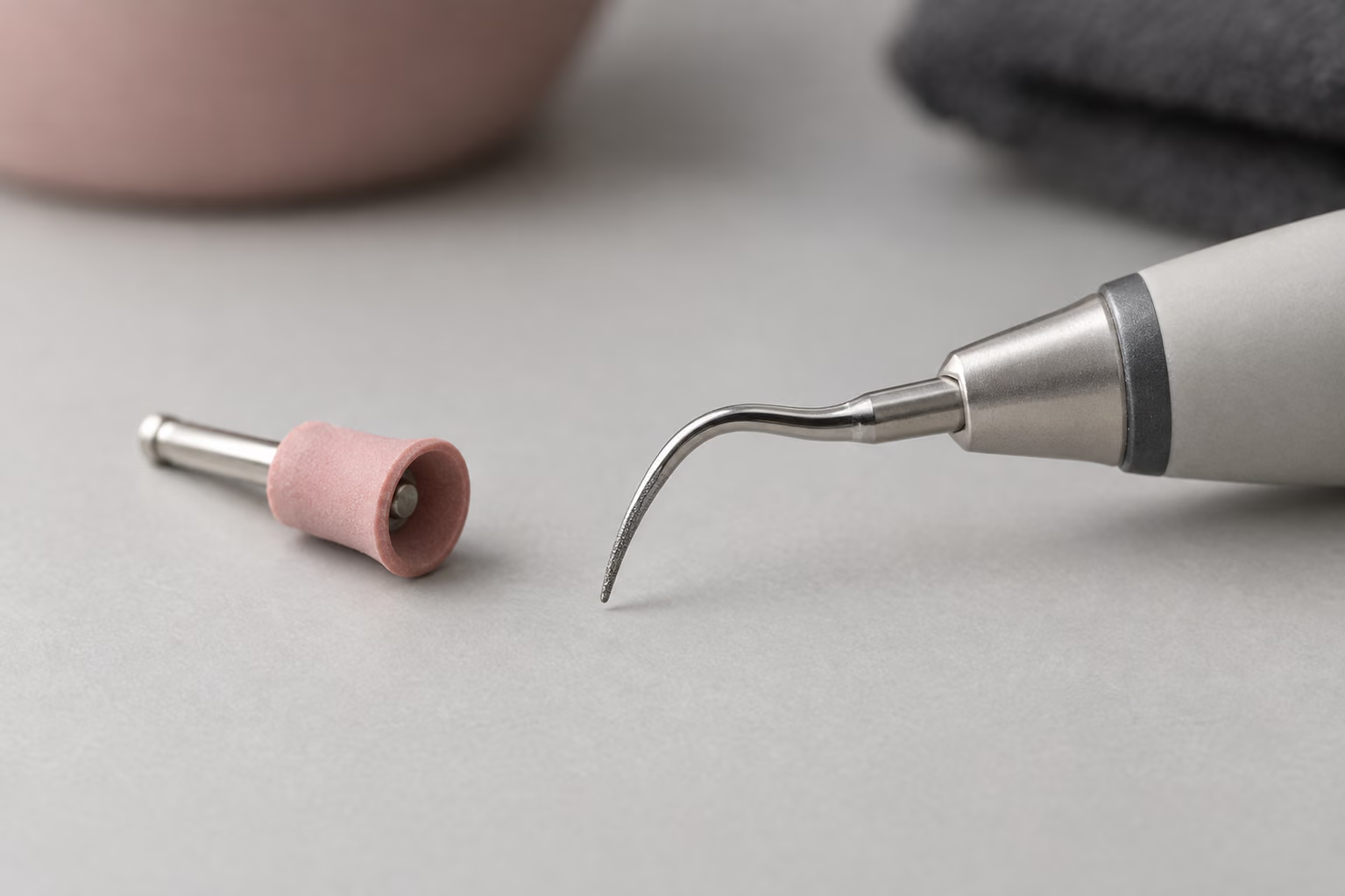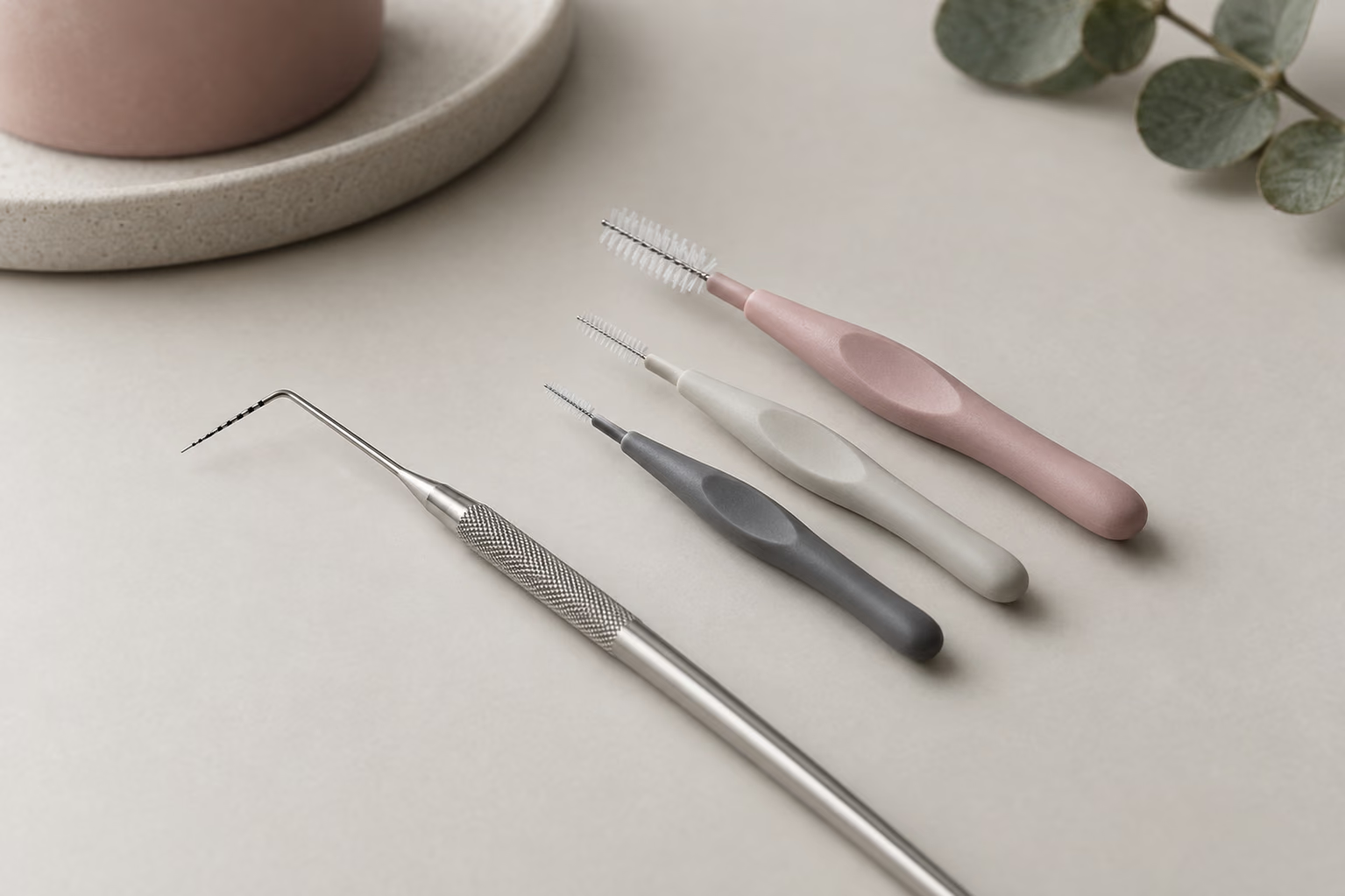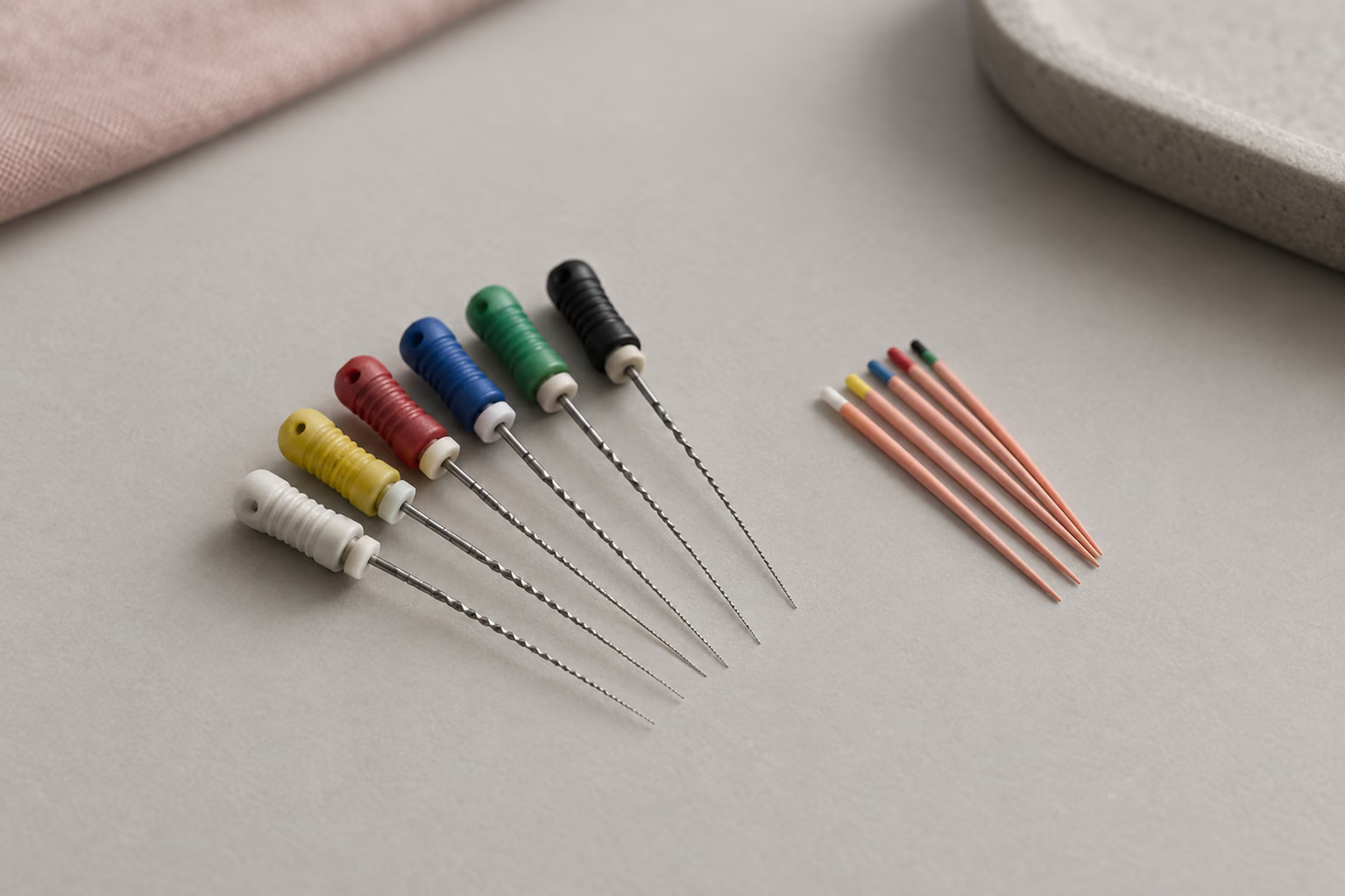
Root canal treatment is used when the blood vessels and nerve tissue inside a tooth have become inflamed or have lost their vitality. The root canals are cleaned, shaped, disinfected and filled.
This page explains when the treatment is needed, how it is carried out and what to pay attention to afterwards, for information purposes. The condition of your tooth can only be determined through an examination and X-ray assessment.
What symptoms can occur?
- Long-lasting pain with hot or cold that does not settle on its own
- Pain that starts spontaneously and gets worse at night
- Pain when chewing or when the tooth is touched
- Swelling or an abscess in the gum
- Darkening of the tooth
- A small recurring bump on the gum (fistula)
Root canal treatment may be needed even without symptoms. Some inflammation at the root tip is only visible on an X-ray.
How is root canal treatment carried out?
- Examination and X-ray. The condition of the tooth, the number of roots and the tissue at the root tip are assessed.
- Anaesthesia. The area is numbed with local anaesthesia.
- Isolation. The tooth is usually isolated from saliva with a sheet (rubber dam).
- Access cavity. An opening is made in the top of the tooth to reach the canals.
- Cleaning and shaping. The tissue inside the canals is removed, the canals are shaped with files and rinsed with disinfecting solutions.
- Filling. The canals are filled with a suitable material and sealed.
- Final restoration. The tooth is closed with a filling or a crown.
- Follow-up. Healing is monitored with X-rays.
Root canal treatment or extraction?
| Root canal treatment | Extraction | |
|---|---|---|
| Does the tooth stay? | Yes | No |
| Needed afterwards | Filling or crown | Closing the gap with an implant/bridge |
| Effect on neighbouring teeth | None | Drifting and bite changes over time |
| Jawbone | Preserved | Bone loss may occur at the extraction site |
| Time | 1–2 visits + restoration | One visit + healing + prosthetic treatment |
Preserving the natural tooth is the priority in most cases. However, if the root structure is damaged beyond repair, extraction is considered.
When is it not suitable?
- The root structure is fractured beyond repair
- Not enough tooth structure remains to support a restoration
- The bone supporting the root has been severely lost
- The canals cannot be reached for anatomical reasons
In these cases, extraction and subsequent closure of the gap are considered.
What should I pay attention to after treatment?
| Period | Advice |
|---|---|
| Until the anaesthesia wears off | Do not eat, to avoid biting your cheek or lip |
| First few days | Avoid chewing hard food on that side |
| Pain | Tenderness for a few days is normal; report increasing pain |
| Temporary filling | If it falls out, contact your dentist without delay |
| Permanent restoration | Do not postpone it; the tooth remains prone to fracture |
| Follow-up | Have healing checked with X-rays |
Risks and possible problems
- Pain and tenderness lasting a few days after the procedure
- An instrument breaking inside the canal
- Perforation of the root wall (an unintended opening)
- The root filling extending beyond the root tip or falling short
- Persisting infection and the need for retreatment
- Fracture of the tooth over time
- Darkening of the tooth
This list is not exhaustive. Risks specific to you are discussed during the examination and the informed consent process.
What should patients travelling from abroad consider?
Root canal treatment is mostly completed in one or two visits, but the tooth also needs a final filling or crown, and healing is checked with X-rays later on. Whether the tooth can be treated is decided only after an examination and X-rays in the clinic.
- Visits: mostly 1–2 visits; more if there is infection at the root tip or a complex canal anatomy. A temporary filling is placed between visits.
- Final restoration: should not be postponed after the root canal is completed, as the tooth remains prone to fracture.
- Records in advance: recent X-rays of the tooth can be shared before your visit.
- Back home: follow-up X-rays and check-ups can be continued with a local dentist.
About treatment fees
No fee information is given on this page. The number of canals, the extent of infection and the restoration needed afterwards vary from person to person; fees can only be discussed after an examination and X-ray assessment.