Skip to content
ersaçanclinic
Cosmetic Dentistry

Smile Design

What is smile design, which treatments can it include and how is it planned? Information on digital planning, the treatment stages and the limits of smile design.

Last updated:

Medically reviewed by:Dt. Emre Ersaçan

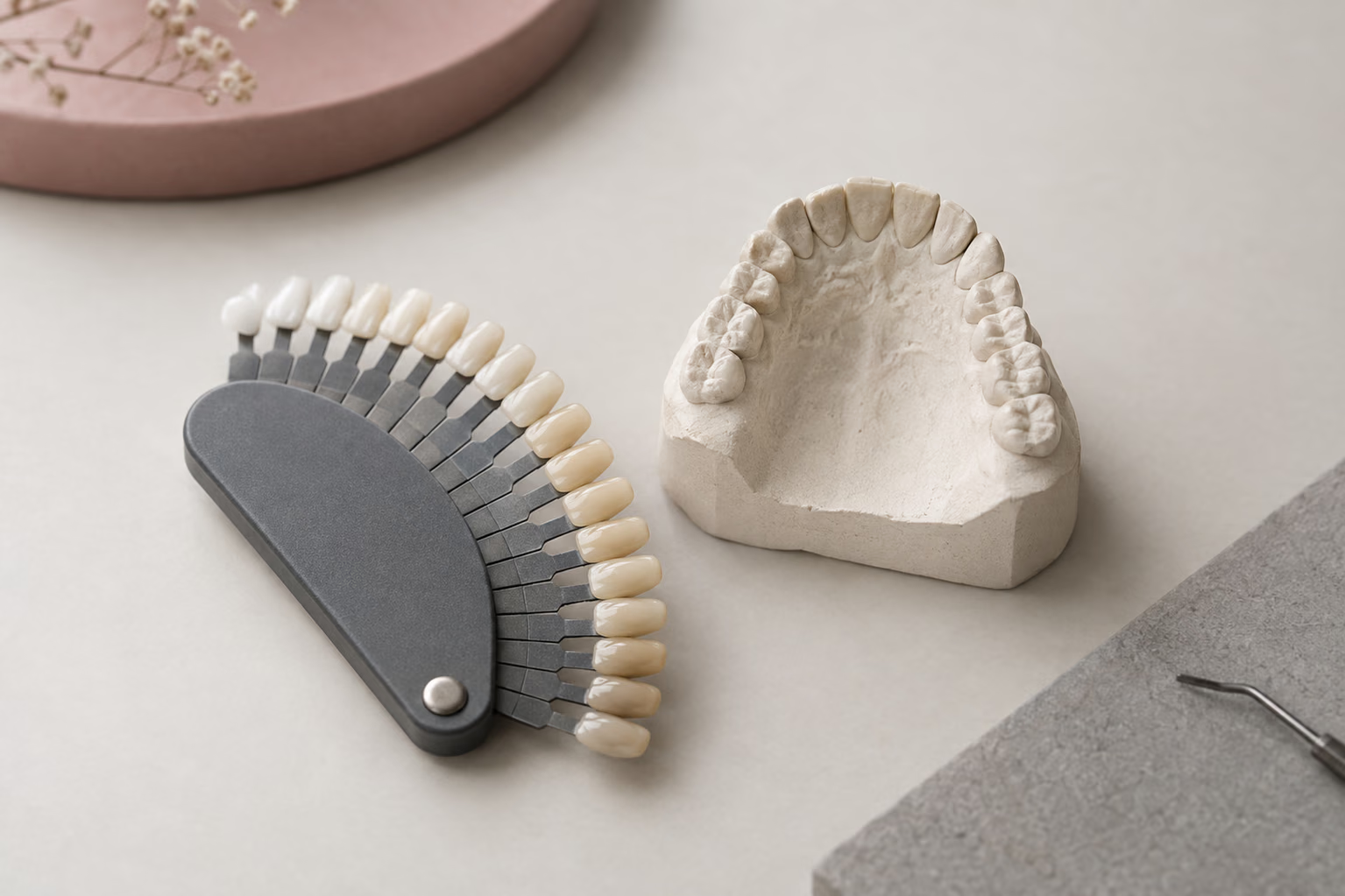
Illustrative image: tooth shade guide and plaster study model

Quick Facts

Scope
Not a single procedure; several treatments planned together
Planning
Preliminary assessment with photos, impressions and digital design
Duration
From a few sessions to several months, depending on the scope
Possible treatments
Whitening, veneers, fillings, gum contouring, orthodontics, implants
Trial
Temporary mock-ups make it possible to preview the result in the mouth

Smile design is not the name of a single procedure. It means assessing the colour, shape, length and alignment of the teeth and the gum line as a whole and planning the necessary treatments together.

This page explains, for information purposes, how planning is carried out, which treatments it can include and what its limits are. The right plan for you can only be determined after an examination.

Which treatments can smile design include?

TreatmentWhen it is considered
Teeth whiteningIf discolouration is external and the tooth structure is suitable
Composite bondingFor small chips, gaps and irregularities in shape
Porcelain veneersFor discolouration that does not respond to whitening, or marked differences in shape
Zirconia crownsIf loss of structure is extensive or the tooth has had root canal treatment
Gum contouringIf the gum line is asymmetrical or the teeth look short
OrthodonticsIf misalignment is better corrected by moving the teeth than by covering them
ImplantsIf a tooth is missing in the smile line

The plan is always built starting from the least invasive option.

How is the plan made?

  1. Consultation. Expectations and the points that bother you are discussed.
  2. Examination. Decay, gum disease, the bite and any clenching habit are assessed; X-rays are taken if needed.
  3. Records. Facial and intraoral photos and impressions are taken.
  4. Digital design. A possible new shape and position of the teeth is modelled on a computer.
  5. Mock-up. In suitable cases, a trial made from a temporary material is placed in the mouth and assessed together.
  6. Treatment. The agreed treatments are carried out in sequence.
  7. Check-ups. Fit, bite and gum health are monitored at set intervals.

What are the limits of digital design?

Digital modelling is a preliminary assessment tool. It cannot be promised that the result in the mouth will be exactly the same, because several factors affect the final appearance:

  • Gum health and how the gums heal
  • The existing colour and translucency of the teeth
  • The bite and chewing forces
  • Lip movement and the smile line
  • Oral hygiene habits

Who is it suitable for?

  • People with healthy gums and no active decay
  • Those whose expectations have been openly discussed during planning
  • Those able to maintain daily oral hygiene
  • Those who have completed any preliminary treatment considered necessary

When is it not suitable?

  • Untreated decay or advanced gum disease
  • Situations in which oral hygiene cannot be maintained
  • Uncontrolled clenching and grinding
  • Expectations that cannot be met by planning

Risks and points to consider

  • The plan may include irreversible procedures (tooth reduction)
  • Veneers and crowns can fracture, debond or develop decay at the margins
  • The effect of whitening fades over time
  • The gum level can change over time
  • Results vary from person to person; no guarantee can be given

This list is not exhaustive. Your individual risks and alternatives are discussed during the examination and the informed consent process.

What should patients travelling from abroad consider?

Because smile design combines several treatments, its duration ranges from a few sessions to several months depending on the scope. Records, digital design and, where suitable, a mock-up come before any treatment, and preliminary treatment of decay or gum disease may be needed first. The plan is finalised only after an in-person examination and, where needed, X-rays.

TopicWhat to know
Number of visitsDepends on the treatments in the plan; from a few sessions to several months
Before treatmentConsultation, examination, records, digital design and mock-up
Before you travelRecent X-rays, photos and dental records can be shared in advance
DecisionThe plan is confirmed only after examination
Back homeRegular check-ups can continue with a local dentist

About treatment fees

This page does not include fee information. Smile design is a plan whose scope varies greatly from person to person; fees can only be discussed after an examination, once it has been decided which treatments will be carried out.
Frequently Asked Questions

Short answers to the questions patients ask most often about this treatment.

What is smile design?

Smile design is not the name of a single procedure. It means assessing the colour, shape and alignment of the teeth and the gum line as a whole and planning the necessary treatments together. The plan is based on the person's facial features, lip movement and tooth structure.

Which treatments can smile design include?

The scope varies from person to person. Teeth whitening, reshaping with composite fillings, porcelain or zirconia restorations, adjusting the gum level, orthodontic treatment and, if teeth are missing, implants can all be part of the plan.

How is digital smile design done?

Facial and intraoral photos and impressions are taken; a possible new shape and position of the teeth is modelled on a computer. This model is a preliminary assessment tool; it cannot be promised that the result in the mouth will match it exactly.

Can I see the result in advance?

In addition to the digital design, in some cases a mock-up made from a temporary material can be tried in the mouth. This allows the shape and length to be discussed and assessed. Even so, the final result varies from person to person.

Do teeth have to be reduced for smile design?

No. The plan may consist only of whitening and composite corrections, or it may include veneers or crowns. When these are needed, tooth reduction is involved and it is irreversible. Less invasive options are considered first.

Who is not suitable for smile design?

Active decay, untreated gum disease and an inability to maintain oral hygiene must be addressed first. Unrealistic expectations are the most important obstacle to planning, which is why the process begins with an open discussion of expectations.

Is the result permanent?

Permanence depends on the treatments carried out and on aftercare. The effect of whitening fades over time; veneers and crowns can fracture or develop decay at their margins; the gum level can change over time. Regular check-ups are necessary.

Questions about a treatment? We are a message away.

Whether a treatment is suitable can only be decided after an examination and, where needed, imaging. Contact the clinic to plan your first visit.

References

The information on this page is based on the sources below. Links were accessible when last checked.

  1. Cleveland Clinic. Cosmetic Dentistry: Purpose, Procedures & Benefits. Health Library
  2. American Dental Association. Veneers. MouthHealthy
  3. American Dental Association. Teeth Whitening. MouthHealthy
  4. NHS. Dental treatments. Live Well — Healthy teeth and gums
Treatments

You May Also Consider

Other treatments that are often discussed together with this one.

Cosmetic Dentistry

Which treatments does cosmetic dentistry include, and which method is considered in which situation? Information on the options, their limits and how decisions are made.

  • Whitening
  • Veneers
  • Composite bonding
  • Crowns
View Details

Teeth Whitening

How is teeth whitening done, which stains does it work on and who is it not suitable for? Information on in-office and at-home methods, risks and how long results last.

  • In-office whitening
  • At-home whitening
  • Stain types
View Details

Zirconia Crowns

What is a zirconia crown, when is it chosen and how does it differ from a metal-ceramic crown? Information on the treatment stages, durability and aftercare.

  • Metal-free crowns
  • Bridges
  • Implant crowns
View Details