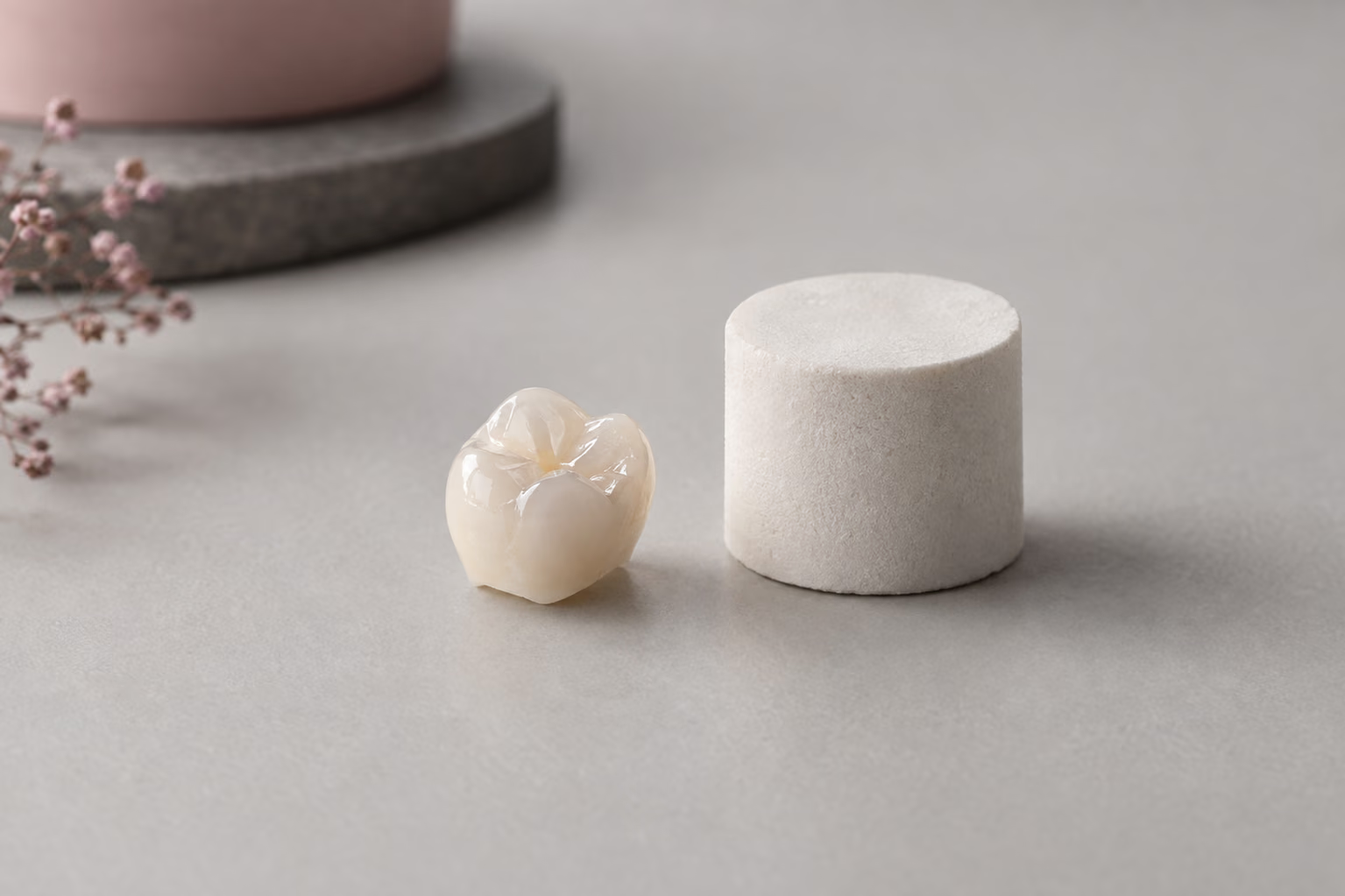
A zirconia crown is a type of crown made from a zirconium oxide–based ceramic instead of a metal framework. It is fitted over teeth that have lost a lot of structure, are discoloured or are misshapen.
This page explains, for information purposes, how zirconia crowns are made, when they are chosen and when they are not suitable. Which option is right for you can only be determined after an examination.
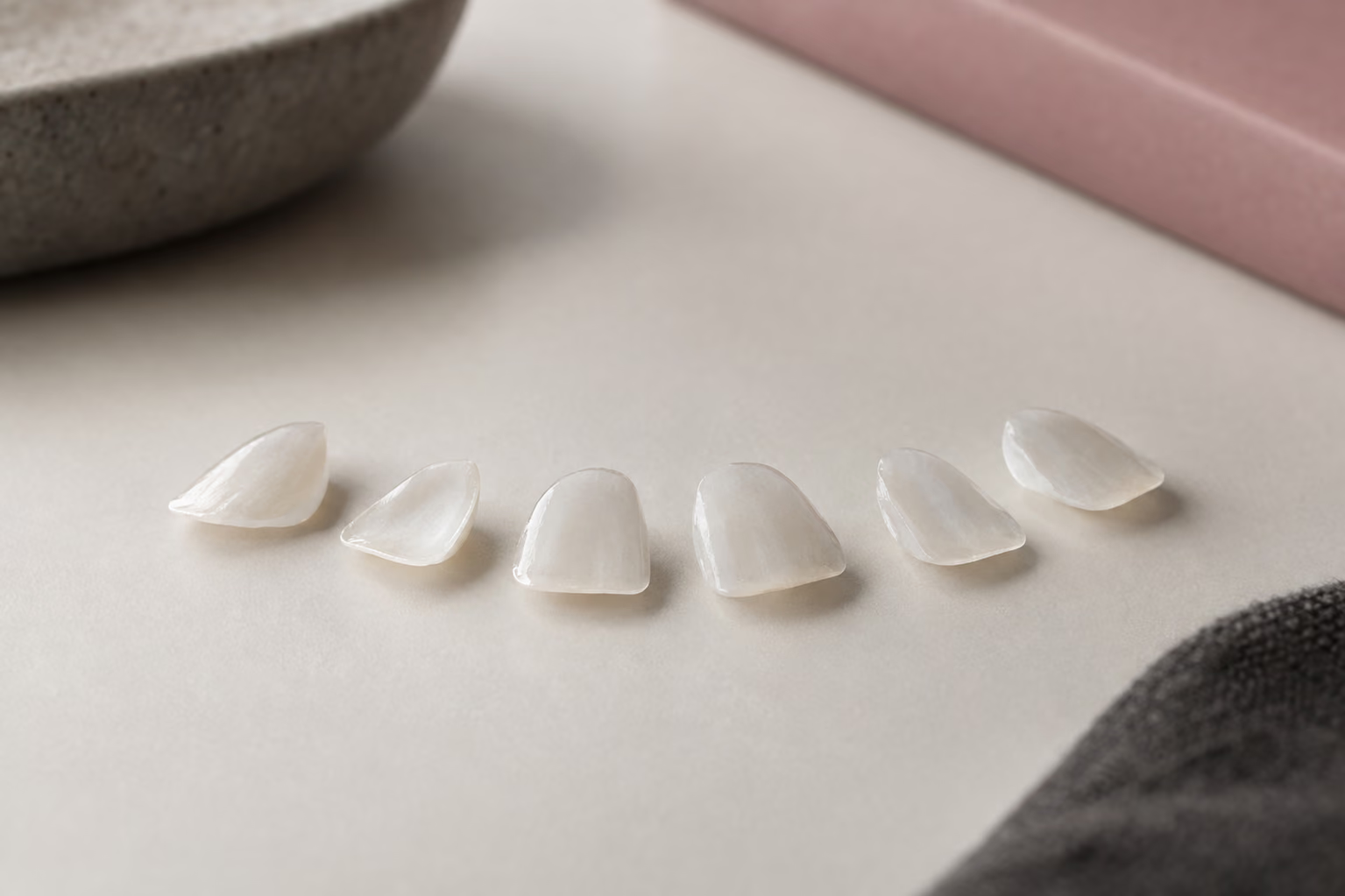
What is the difference between a crown and a veneer?
The two are often confused, but they are different treatments.
| Crown (zirconia) | Laminate veneer (porcelain) | |
|---|---|---|
| Surface covered | Encircles the whole tooth | Covers only the front surface |
| Tooth reduction | More | Less |
| Typical reason | Loss of structure, fracture, root-canal-treated tooth | Correcting colour and shape |
| Use on back teeth | Suitable | Usually not suitable |
For details, see the Porcelain Veneers page.
How is a zirconia crown made?
- Examination and planning. The condition of the tooth and the surrounding gum is assessed; X-rays are taken if needed. Any decay or gum disease is treated first.
- Tooth preparation. Under local anaesthesia, tooth structure equal to the thickness of the crown is removed from the outer surface of the tooth.
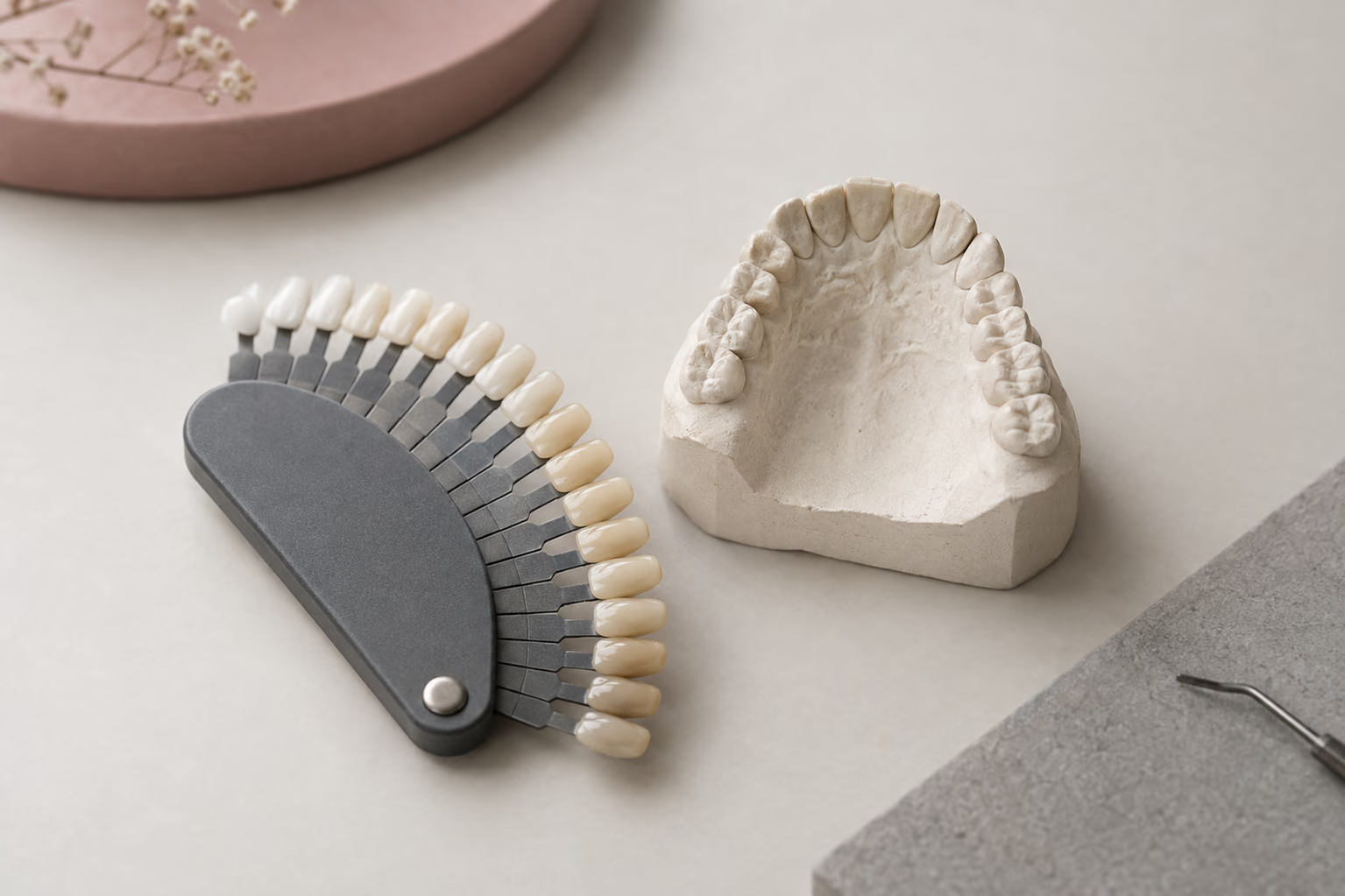
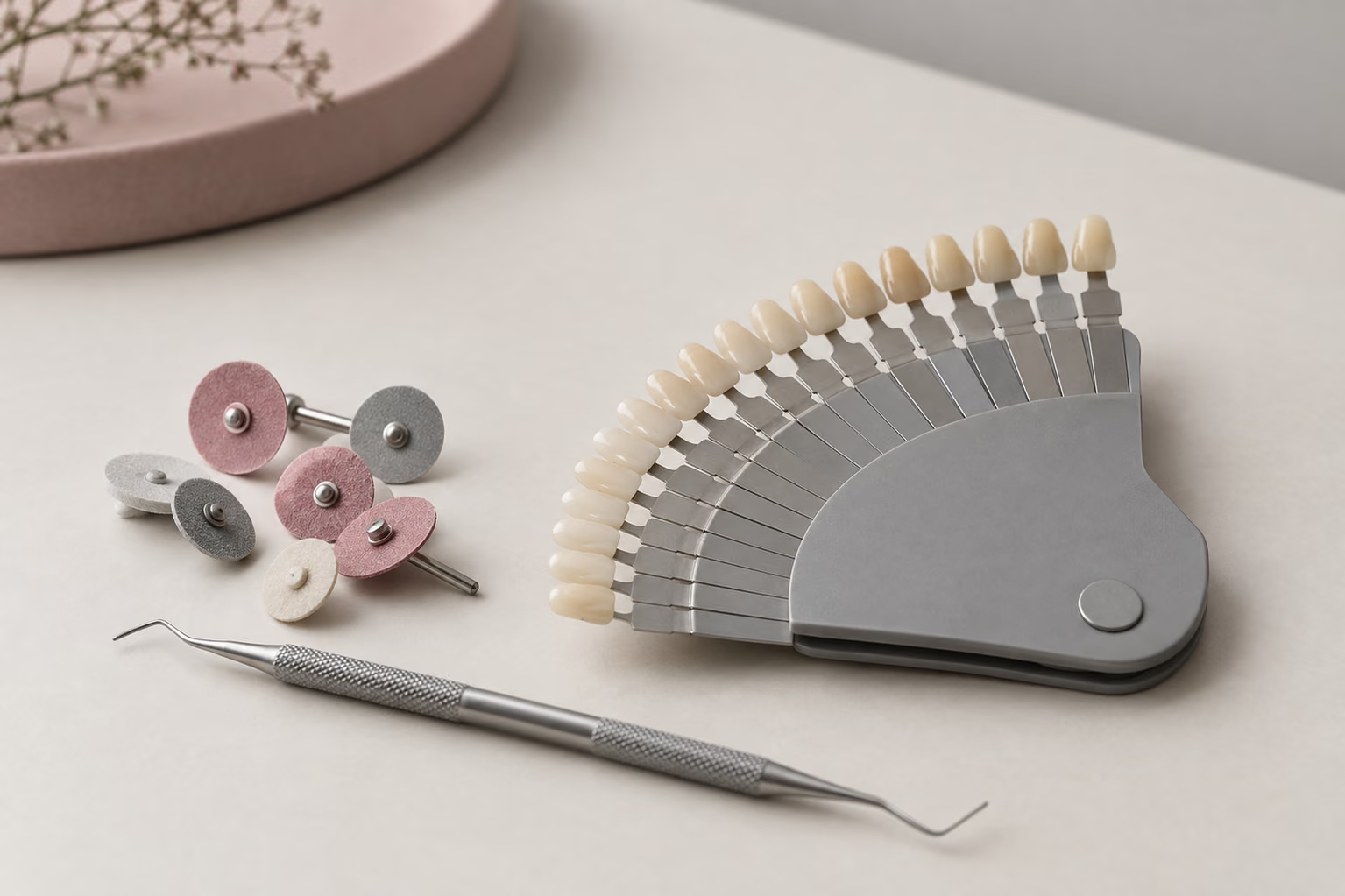
- Impression and shade selection. An impression is taken conventionally or with an intraoral scanner; a shade guide is used to match the colour to the neighbouring teeth.
- Temporary crown. The tooth is protected with a temporary crown while the laboratory work is done.
- Try-in. The fit, bite and colour of the finished crown are checked.
- Cementation. Once the fit is confirmed, the crown is permanently bonded.
When is it chosen?
- Teeth weakened by large fillings and at risk of fracture
- Teeth that have had root canal treatment and have become more brittle
- Discolouration that does not improve with whitening
- Teeth that will serve as bridge supports
- Implant-supported crowns and bridges
When is it not suitable?
- Active decay or untreated gum disease
- A root structure too weak to support a crown
- When an option requiring less tooth reduction (filling, veneer) would be sufficient
- Situations in which oral hygiene cannot be maintained
Clenching or grinding is not an absolute barrier, but a protective night guard may be needed.
What should I pay attention to after treatment?
| Topic | Recommendation |
|---|---|
| First few days | Sensitivity to hot and cold is possible; lukewarm foods are preferable |
| Hard foods | Take care with ice, hard nuts and similar foods |
| Cleaning | Brush twice a day; use floss or interdental brushes between teeth |
| Crown margin | Clean the border between crown and gum carefully |
| Night guard | If you clench, use the guard recommended by your dentist |
| Check-ups | Crown margins and gums are assessed at least once a year |
Risks and possible problems
- Temporary or lasting tooth sensitivity after preparation
- Involvement of the tooth's pulp and the need for root canal treatment
- Decay developing at the crown margin
- Gum recession exposing the crown margin
- Fracture of the crown or failure of the cement
- Chewing problems caused by an uneven bite
This list is not exhaustive. Your individual risks are discussed during the examination and the informed consent process.
What should patients travelling from abroad consider?
Zirconia crowns usually need 2–3 sessions (preparation, try-in and cementation), and the overall treatment generally takes 1–2 weeks depending on laboratory time. If decay or gum disease has to be treated first, the plan may take longer. Suitability is decided only after an in-person examination and, where needed, X-rays.
| Topic | What to know |
|---|---|
| Number of sessions | Usually 2–3: preparation, try-in, cementation |
| Time between sessions | Usually 1–2 weeks in total, depending on the laboratory |
| Before you travel | Recent X-rays and dental records can be shared in advance |
| Decision | The final plan is confirmed only after examination |
| Back home | Annual check-ups of margins and gums can be done by a local dentist |
About treatment fees
This page does not include fee information. Because the number of teeth to be crowned, any treatment needed beforehand and the type of restoration chosen vary from person to person, fees can only be discussed after an examination, once an individual treatment plan has been prepared.