A dental prosthesis is the umbrella term for appliances made to replace missing teeth and the surrounding tissues, both in function and in appearance. It can be removable or fixed.
This page explains the types of prosthesis, when each one is considered and how the adjustment period usually goes, for information purposes. Which option is right for you can only be decided after an examination and radiographic assessment.
Types of prosthesis
| Type | Suitable for | Supported by |
|---|---|---|
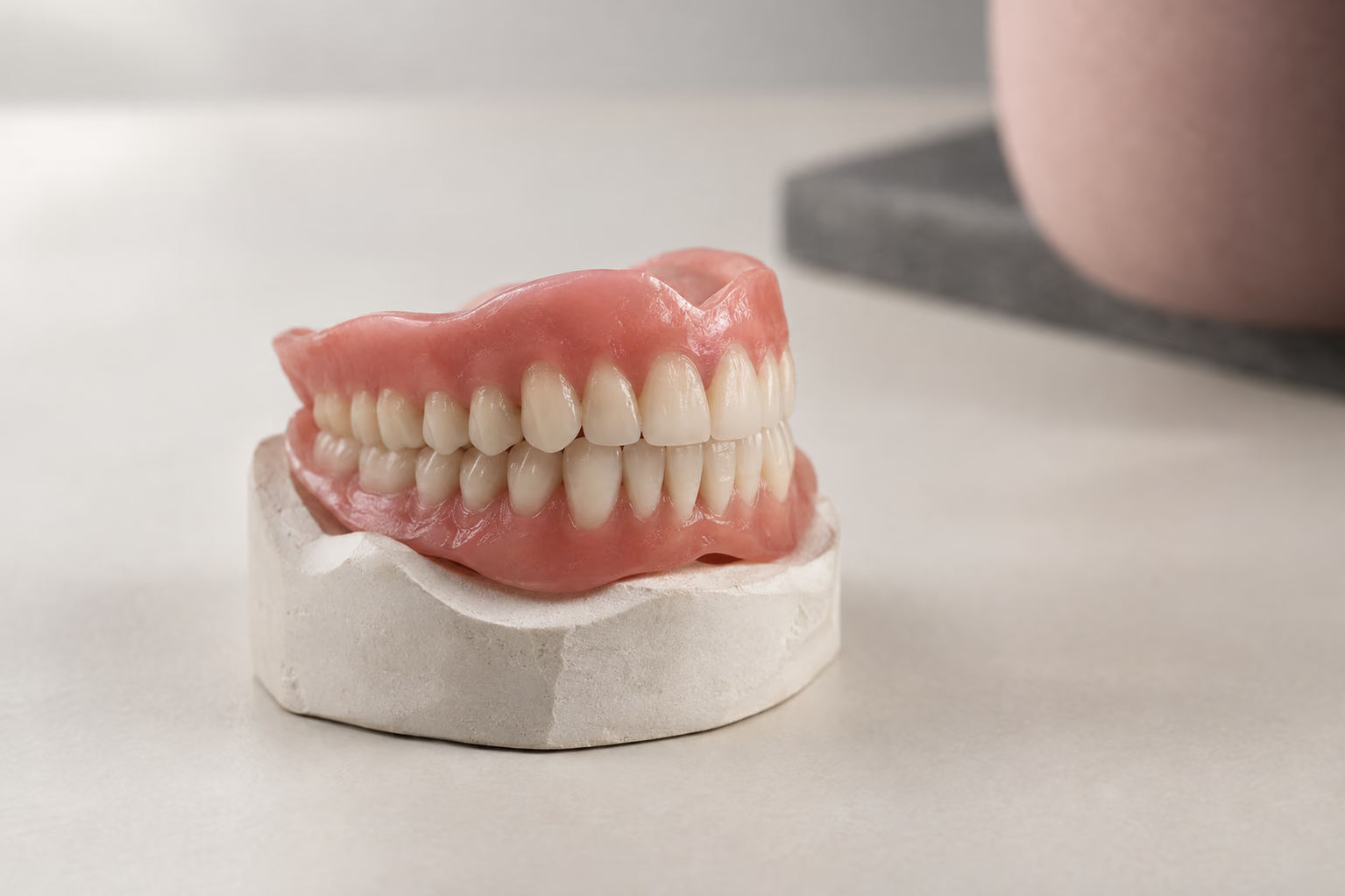
| Complete denture | People missing all the teeth in one jaw | Gums and the surface of the jawbone |
| Partial denture | People missing some teeth | Remaining teeth and gums |
| Fixed bridge | One or a few missing teeth in a row | The teeth on either side of the gap |
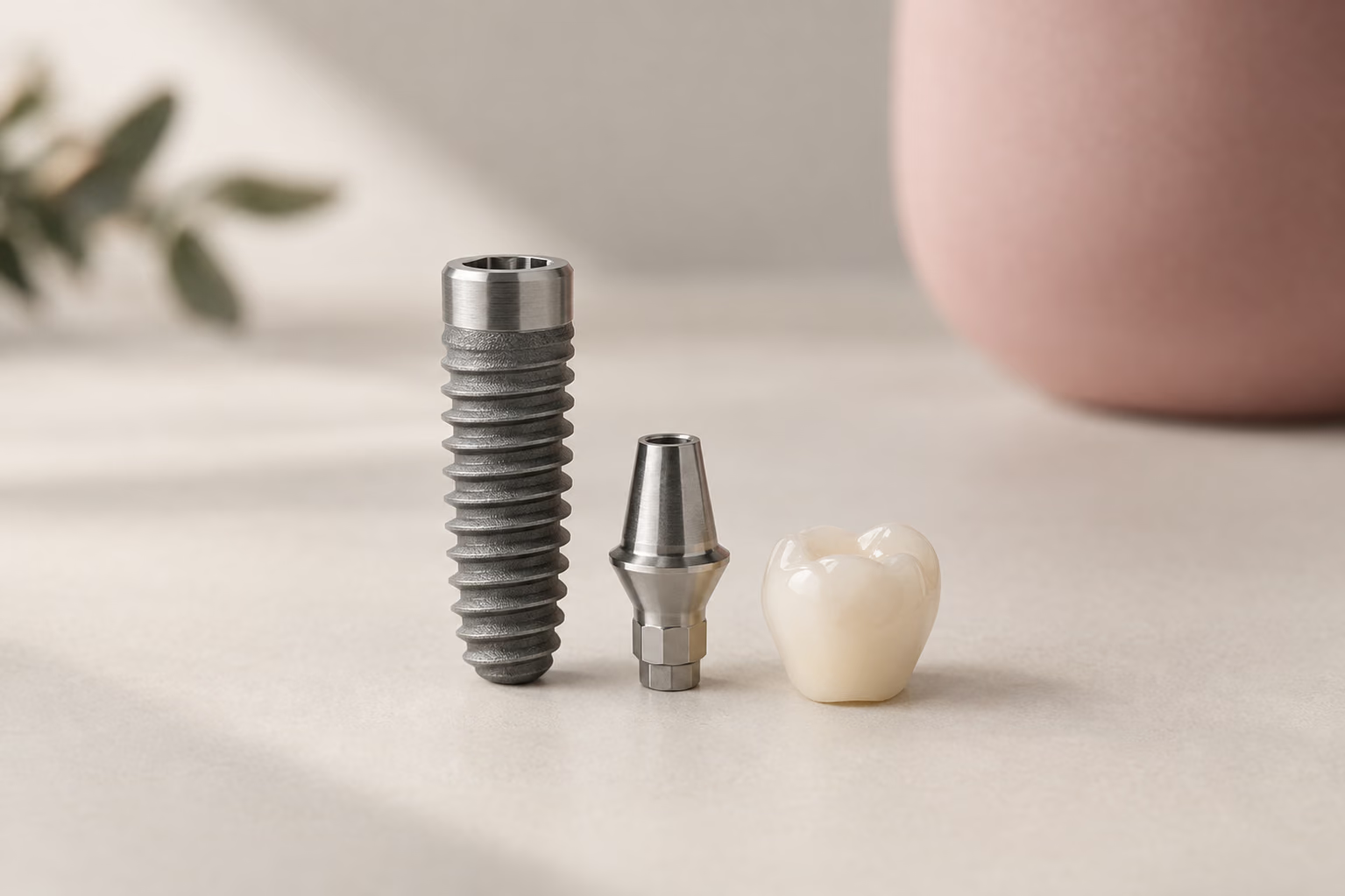
| Implant-supported prosthesis | People whose bone is suitable for implants | Implants placed in the jawbone |
Removable dentures can be taken out of the mouth; fixed bridges and fixed implant-supported prostheses cannot.
Fixed or removable?
| Fixed (bridge / implant-supported) | Removable | |
|---|---|---|
| Can it be taken out? | No | Yes |
| Effect on neighbouring teeth | A bridge requires the teeth to be reduced | Partial dentures rest on clasps |
| Jawbone requirement | Important for implants | Less decisive |
| Adjustment period | Short | Usually a few weeks |
| Cleaning | In the mouth, with interdental brushes | Taken out, every day |
| Treatment time | Implants add a healing period | Shorter |
How is a denture made?
- Examination and planning. The remaining teeth, gums and jawbone are assessed and X-rays are taken. If a tooth needs to be extracted, healing is awaited first.
- Impressions. Impressions are taken of the jaw and any remaining teeth.
- Bite registration. The relationship between the upper and lower jaws is recorded.
- Try-in. For removable dentures, the shape, shade and position of the teeth are tried in the mouth.
- Completion and fitting. The prosthesis is finished and its fit is checked.
- Follow-up adjustments. Extra appointments are planned in the first weeks to relieve any areas that rub.
What is normal while getting used to it?
- A feeling of fullness in the mouth
- Temporary changes in speech
- Increased saliva
- Some difficulty chewing
- A mild gagging sensation (especially with an upper complete denture)
These complaints usually ease within a few weeks. Sores or marked pain are not normal; if they occur, see your dentist.
How should a denture be cared for?
| Topic | Advice |
|---|---|
| Daily cleaning | Take the removable denture out and clean it with a denture brush |
| Water temperature | Do not use hot water; it can distort the denture |
| Inside the mouth | Brush the gums and any remaining teeth separately |
| At night | Take it out and store it as your dentist advises |
| Risk of dropping | Clean it over a basin filled with water |
| Repairs | Do not glue a fracture or crack at home; bring it to your dentist |
| Check-ups | Have the fit and gums assessed at least once a year |
Risks and possible problems
- Sores and pain where the denture rubs
- Fungal infection under the denture (especially if it is not taken out at night)
- Gradual shrinkage of the jawbone and loss of fit over time
- Strain and decay on the supporting teeth of a partial denture
- Fracture of the denture or a tooth coming loose
- Chewing force that is more limited than with natural teeth
This list is not exhaustive. Risks specific to you are discussed during the examination and the informed consent process.
What should patients travelling from abroad consider?
A prosthesis is made over several appointments, and the adjustment visits in the first weeks after fitting are part of the treatment. Whether a prosthesis is suitable for you, and which type, can only be decided after an examination and imaging in the clinic.
| Topic | What to know |
|---|---|
| Number of visits | Usually 3–6 visits, depending on the type of prosthesis |
| Waiting periods | If teeth need to be extracted first, healing is awaited before impressions; implant-supported options add a healing period |
| After fitting | Removable dentures usually take a few weeks to get used to; extra appointments for areas that rub are planned in the first weeks |
| Records in advance | Recent X-rays and dental records can be shared before your visit |
| Back home | Annual check-ups of fit and gums, and any relining, can continue with a local dentist |
About treatment fees
No fee information is given on this page. The type of prosthesis, the number of teeth and any treatment needed beforehand vary from person to person; fees can only be discussed after an examination, once a personalised treatment plan has been drawn up.