Teeth whitening is a treatment that aims to lighten discolouration on the tooth surface and within the enamel by chemical means. No tooth tissue is removed; the lightening is achieved by the action of a whitening gel.
This page explains, for information purposes, how whitening is done, which types of discolouration it works on and who it is not suitable for. Results vary from person to person.
Why do teeth become discoloured?
| Type | Cause | Response to whitening |
|---|---|---|
| External | Tea, coffee, cola, red wine, smoking | Usually good |
| Internal | The tooth's own colour, darkening with age | Variable |
| Medication-related | Certain medications taken while teeth were developing | Limited |
| Single dark tooth | After trauma or root canal treatment | A different method is needed |
| Surface deposits | Tartar and plaque | Cleaning is needed first |
Scaling and cleaning before whitening makes it possible to see the true colour of the teeth.
How is whitening done?
In-office whitening
- An examination is carried out; decay, gum disease and sensitivity are assessed.
- If necessary, scaling and cleaning are done first.
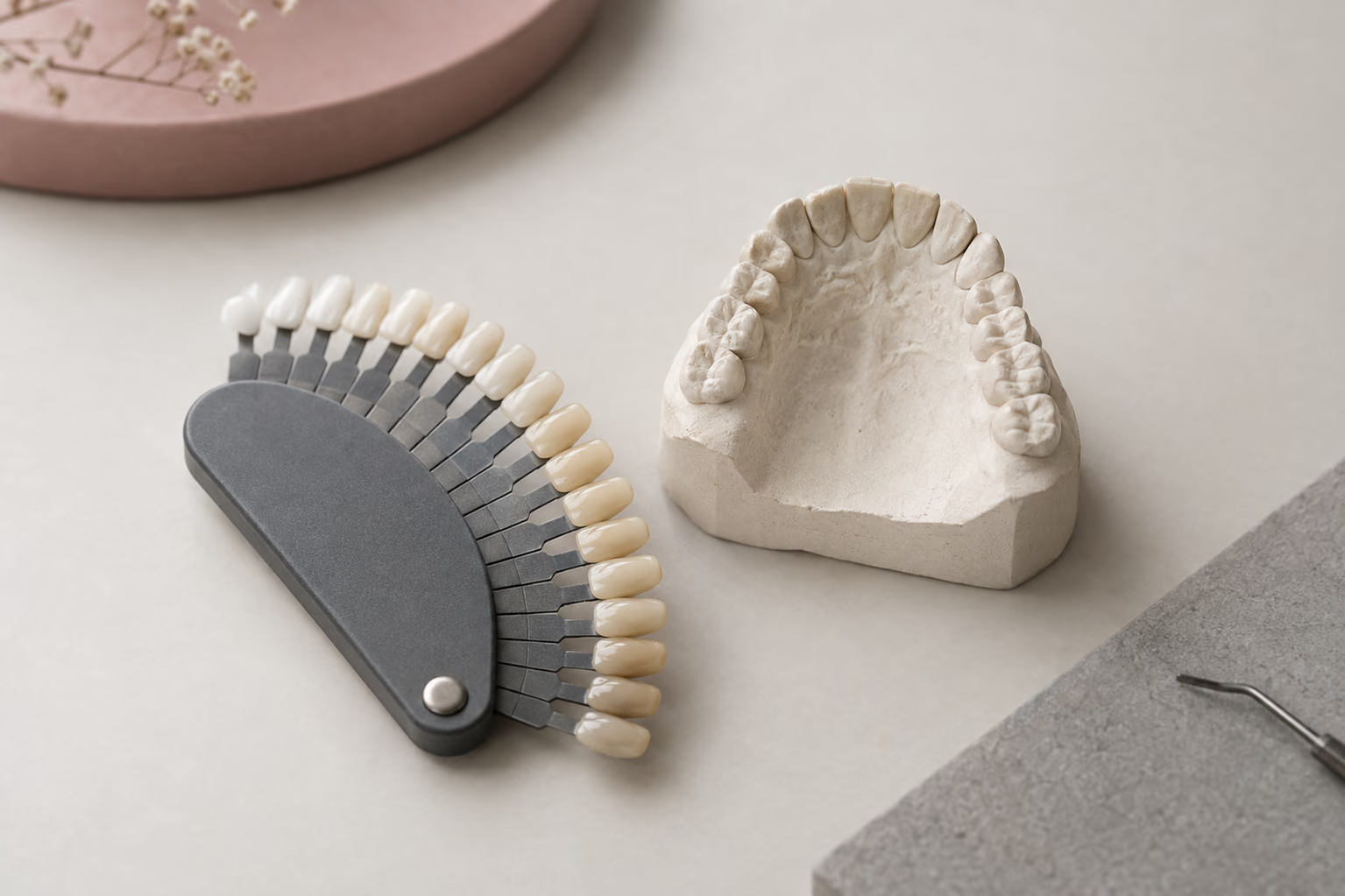
- The starting shade is recorded with a shade guide.
- The gums are covered with a protective barrier.
- Whitening gel is applied and left for a set time; this is repeated if necessary.
- The gel is removed, the result is assessed and aftercare advice is given.
At-home whitening
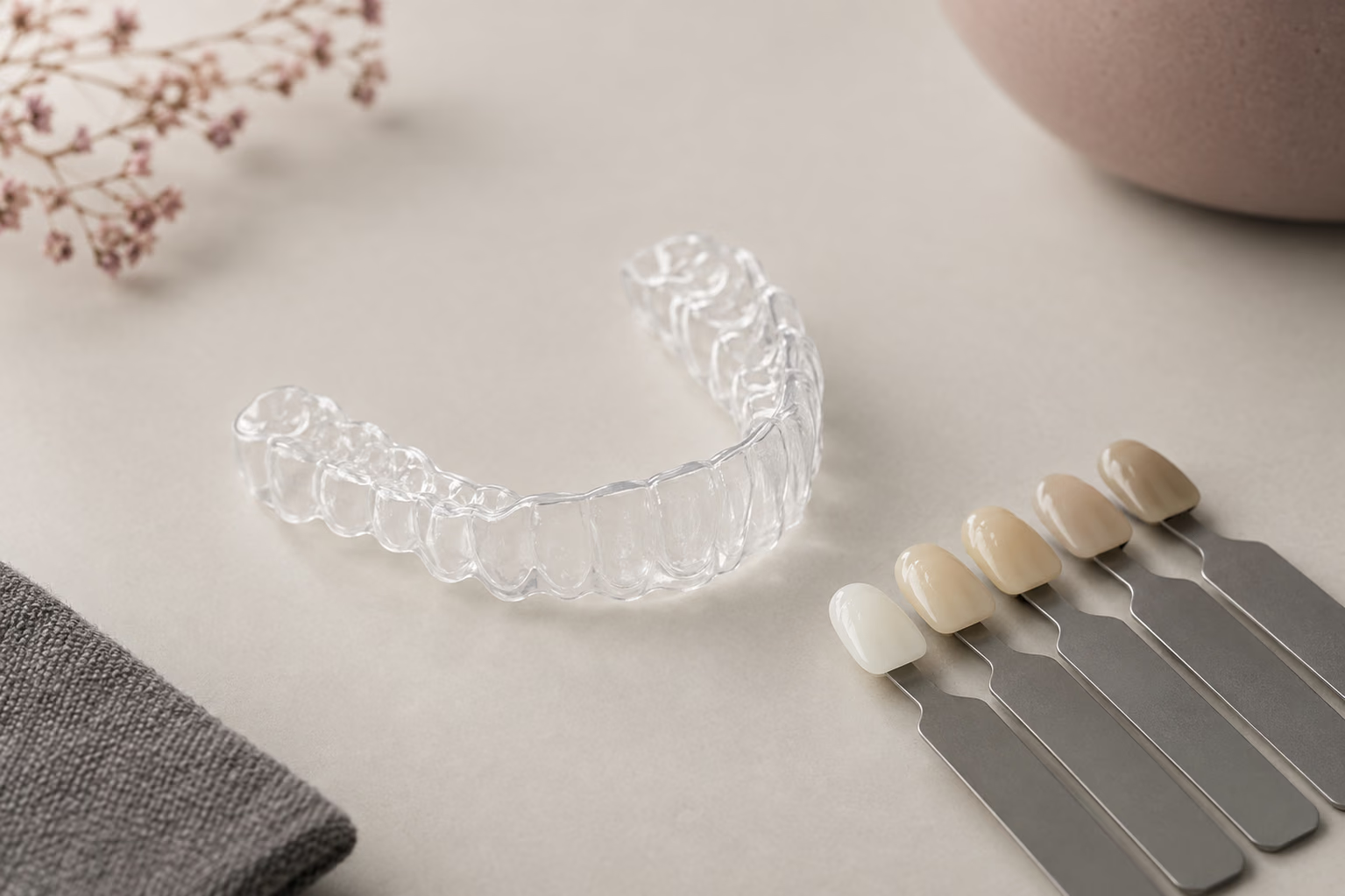
A thin custom-made tray and a gel prescribed by your dentist are used. Your dentist decides how long and how often the tray is worn. A well-fitting tray reduces the amount of gel that spreads onto the gums.
Who is it suitable for?
- Adults with healthy teeth and gums
- People whose discolouration is mainly external
- People without decay or active gum disease
- People with realistic expectations
When is it not suitable?
- Untreated decay or gum disease
- Severely worn, cracked or thinned enamel
- Marked and persistent tooth sensitivity
- When most of the front teeth have fillings or veneers/crowns
- Pregnancy and breastfeeding
- Children whose tooth development is not complete
Risks and side effects
- Temporary tooth sensitivity during and after treatment
- Temporary irritation, burning or whitening of the gums
- Uneven lightening between teeth
- Fillings and crowns remaining darker than the neighbouring teeth
- Existing cracks or wear becoming more noticeable
This list is not exhaustive. Your individual risks are discussed during the examination and the informed consent process.
What should I pay attention to afterwards?
| Topic | Recommendation |
|---|---|
| First 24–48 hours | Avoid staining foods and drinks |
| Smoking | Stopping is recommended, as it speeds up discolouration |
| Sensitivity | A desensitising toothpaste recommended by your dentist can be used |
| Brushing | Twice a day with a soft brush |
| Check-ups | Regular visits to monitor colour and remove tartar |
What should patients travelling from abroad consider?
In-office whitening usually takes one session of about 45–90 minutes, but an examination comes first, and scaling or treatment of decay and gum disease may be needed beforehand. At-home whitening continues with a custom tray for the period your dentist sets. Suitability is decided only after an in-person examination.
| Topic | What to know |
|---|---|
| Number of visits | Examination plus usually one in-office session; more if preliminary treatment is needed |
| At-home option | A custom tray is made; use continues at home as instructed |
| Before you travel | Recent X-rays and dental records can be shared in advance |
| Decision | Suitability is confirmed only after examination |
| Back home | Colour checks and cleaning can continue with a local dentist |
About treatment fees
This page does not include fee information. Because the method used and the number of sessions vary from person to person, fees can only be discussed after an examination.