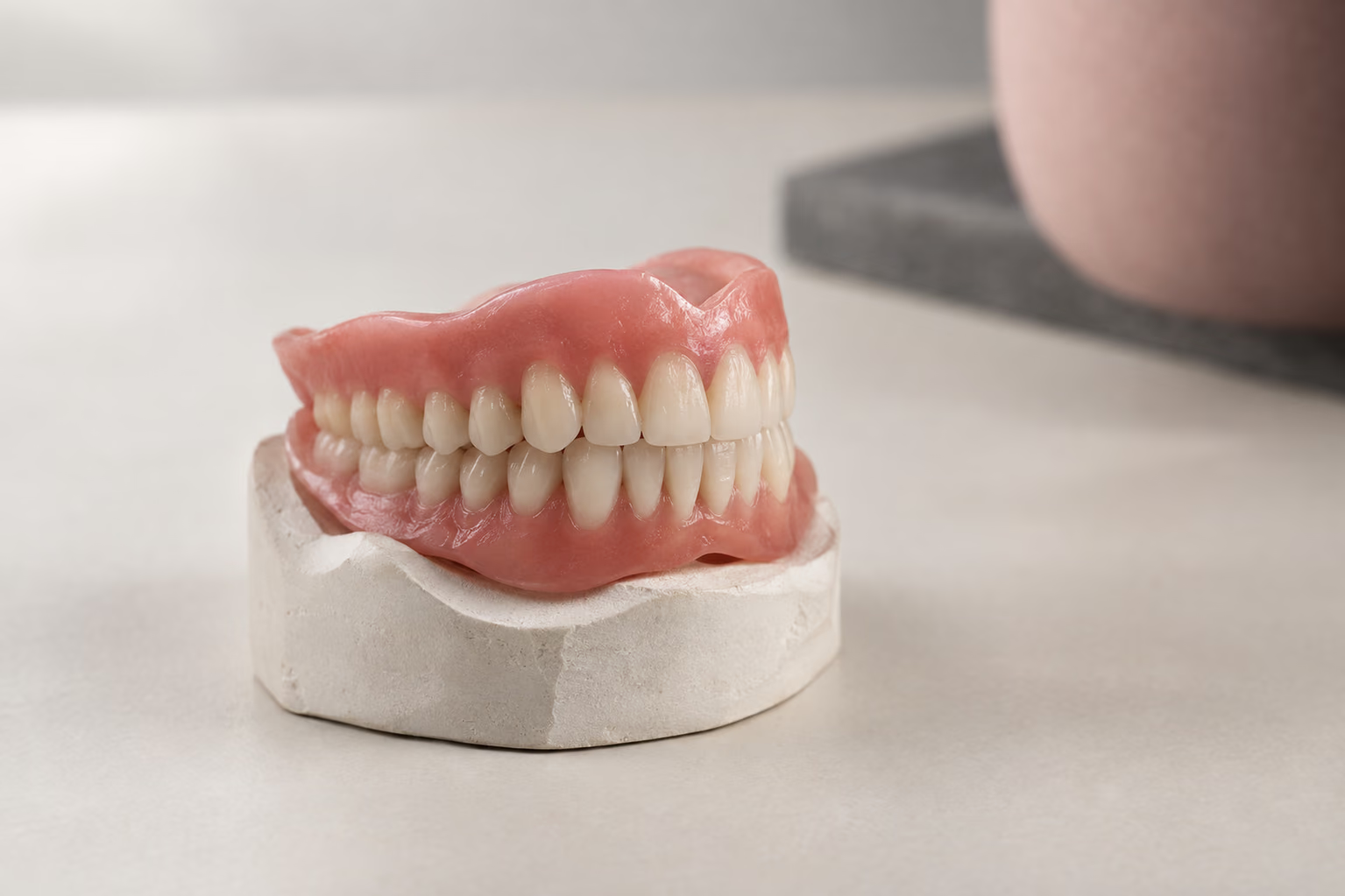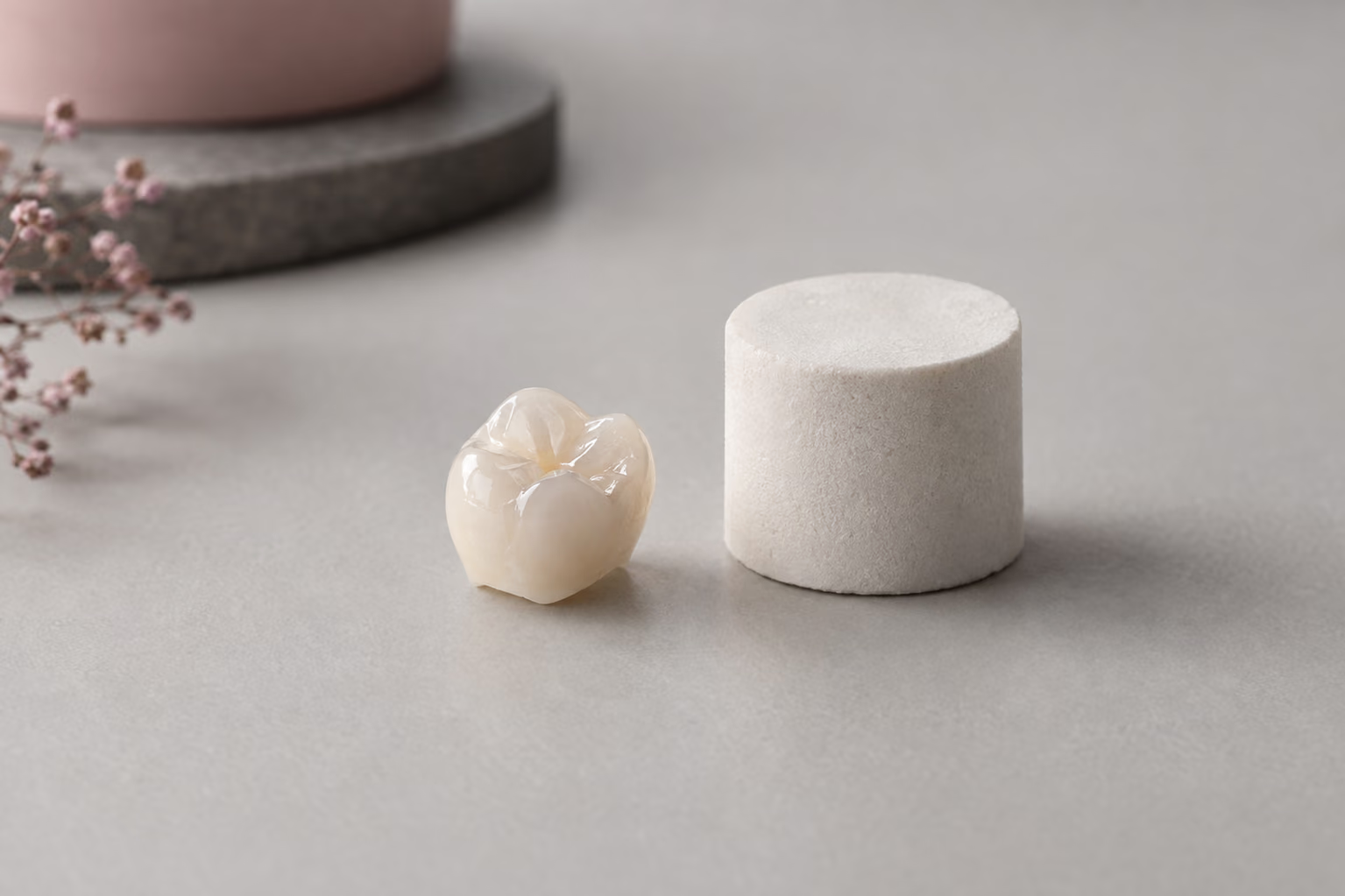
A dental implant is a screw-shaped component, usually made of titanium or a titanium alloy, that is placed in the jawbone to replace the root of a missing tooth. Once it has integrated with the bone, a crown, bridge or denture is fitted on top.
This page explains, for information purposes, how implant treatment is carried out, who it is suitable for, when it is not suitable and how healing progresses. The right treatment for you can only be determined after an examination and radiological assessment.
What is implant treatment?
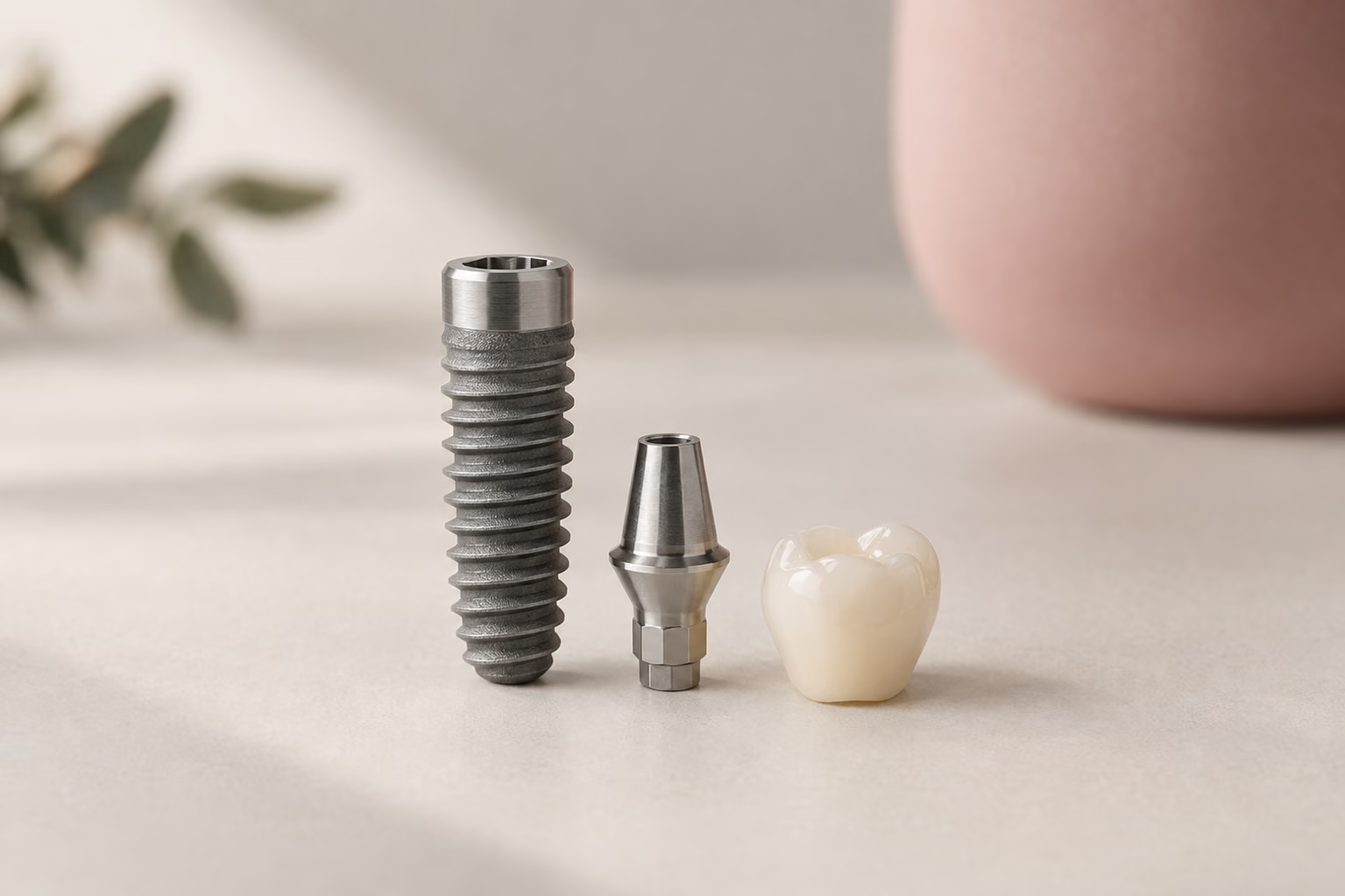
An implant is a system made up of three parts:
| Part | Function |
|---|---|
| Implant body | Placed in the jawbone; takes over the function of the tooth root |
| Abutment | Connects the implant to the restoration |
| Restoration | Crown, bridge or denture — the part visible in the mouth |
Because an implant does not require the neighbouring teeth to be ground down, it offers an alternative to a bridge when a single tooth is missing. Which option is suitable depends on the number of missing teeth and the condition of the jawbone.
How is an implant placed?
Treatment is not completed in a single session; it is spread over several stages.
- Examination and imaging. The mouth is examined, and the height and width of the jawbone and its distance from nerves and the sinus are assessed with three-dimensional (CBCT) imaging.
- Planning. The number, length, diameter and angle of the implants are determined. If needed, a surgical guide is prepared.
- Surgical stage. Under local anaesthesia, a small opening is made in the gum, a site is prepared in the bone and the implant is placed. For a single implant, this usually takes 30–60 minutes.
- Healing (osseointegration). The implant is given time to integrate with the bone. A temporary prosthesis may be worn during this period.
- Restoration. Once healing is complete, impressions are taken and a crown, bridge or denture is made and fitted.
- Check-ups. The bone and gum around the implant are assessed at set intervals in the first year, then at least once a year.
Who is it suitable for?
Implant treatment is an option that can be considered for adults who have lost a tooth and have sufficient jawbone. The table below summarises the main factors that affect suitability.
| Factor | Assessment |
|---|---|
| Jawbone volume | If insufficient, grafting or a sinus lift may be needed |
| Gum health | Active gum disease is treated first |
| Age | Jaw growth should be complete |
| Smoking | Has a negative effect on healing and on the health of tissues around the implant |
| Diabetes | Treatment can be planned if blood sugar is under control |
| Bone medications | Use of bisphosphonate-type medication is assessed separately |
When is it not suitable?
- An uncontrolled systemic disease
- Untreated, advanced gum disease
- A history of radiotherapy to the jaw area
- Situations in which oral hygiene cannot be maintained
- Jaw growth that is not yet complete
Some of these are not absolute barriers but conditions that need to be addressed first. The decision is made individually.
How does healing progress?
| Period | What to expect |
|---|---|
| First 24 hours | Slight oozing of blood is possible; cold compresses are recommended |
| Days 2–3 | Swelling is at its most noticeable, then begins to subside |
| Week 1 | Stitches are removed; pain and swelling largely settle |
| Months 2–6 | Osseointegration period — the implant integrates with the bone |
| Afterwards | Preparation of the restoration and regular check-ups |
During healing, you will be asked to avoid hard and hot foods, keep the area clean as instructed by your dentist and stay away from smoking.
Risks and complications
As with any surgical procedure, implant treatment carries risks:
- Infection at the surgical site
- Failure of the implant to integrate with the bone, and implant loss
- Gum inflammation and bone loss around the implant (peri-implantitis)
- Numbness due to the proximity of a nerve in the lower jaw
- Problems involving the sinus in the back of the upper jaw
- Fracture of the restoration or loosening of a screw
This list is not exhaustive. The risks that apply to you are discussed in detail during the informed consent process, after your general health and oral findings have been assessed.
How should implants be cared for?
The implant itself cannot decay, but the gum and bone around it can become diseased. The European Federation of Periodontology's guideline states that regular home care and professional check-ups are decisive in preventing diseases around implants.
- Brush your teeth and the area around the implant twice a day with a soft brush
- Clean around the implant with interdental brushes or floss
- Have check-ups and professional cleaning at the intervals set by your dentist
- If you smoke, consider stopping
- Tell your dentist if you clench or grind your teeth
What should patients travelling from abroad consider?
Implant treatment takes place in at least two phases: placing the implant and, after the healing period, fitting the restoration. In between, the healing times described above apply (usually 2–3 months in the lower jaw and 3–6 months in the upper jaw, longer if grafting is needed), so most patients plan separate visits. Whether implants are suitable for you is decided only after an in-person examination and three-dimensional imaging.
| Topic | What to know |
|---|---|
| Number of visits | At least two: surgery, then the restoration after healing |
| Waiting time | Usually 2–3 months (lower jaw) or 3–6 months (upper jaw) between stages |
| Before you travel | Recent X-rays, CBCT scans and dental records can be shared in advance |
| Decision | Final suitability and plan are confirmed only after examination and imaging |
| Back home | Check-ups and professional cleaning can continue with a local dentist |
About treatment fees
This page does not include fee information. The scope of implant treatment varies from person to person depending on the number of implants, whether additional surgical procedures are needed and the restoration chosen. Fees can only be discussed after an examination and radiological assessment, once an individual treatment plan has been prepared.