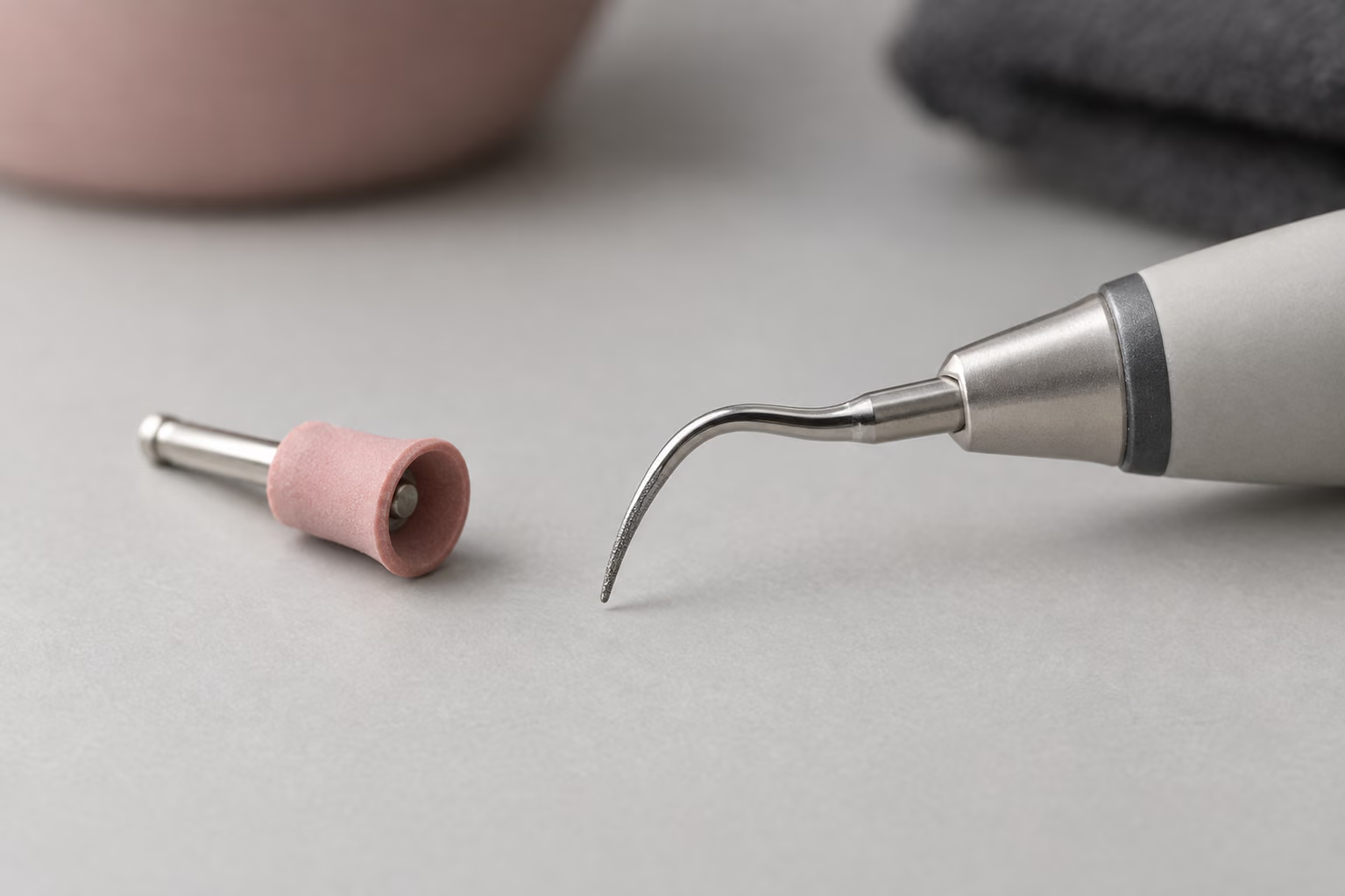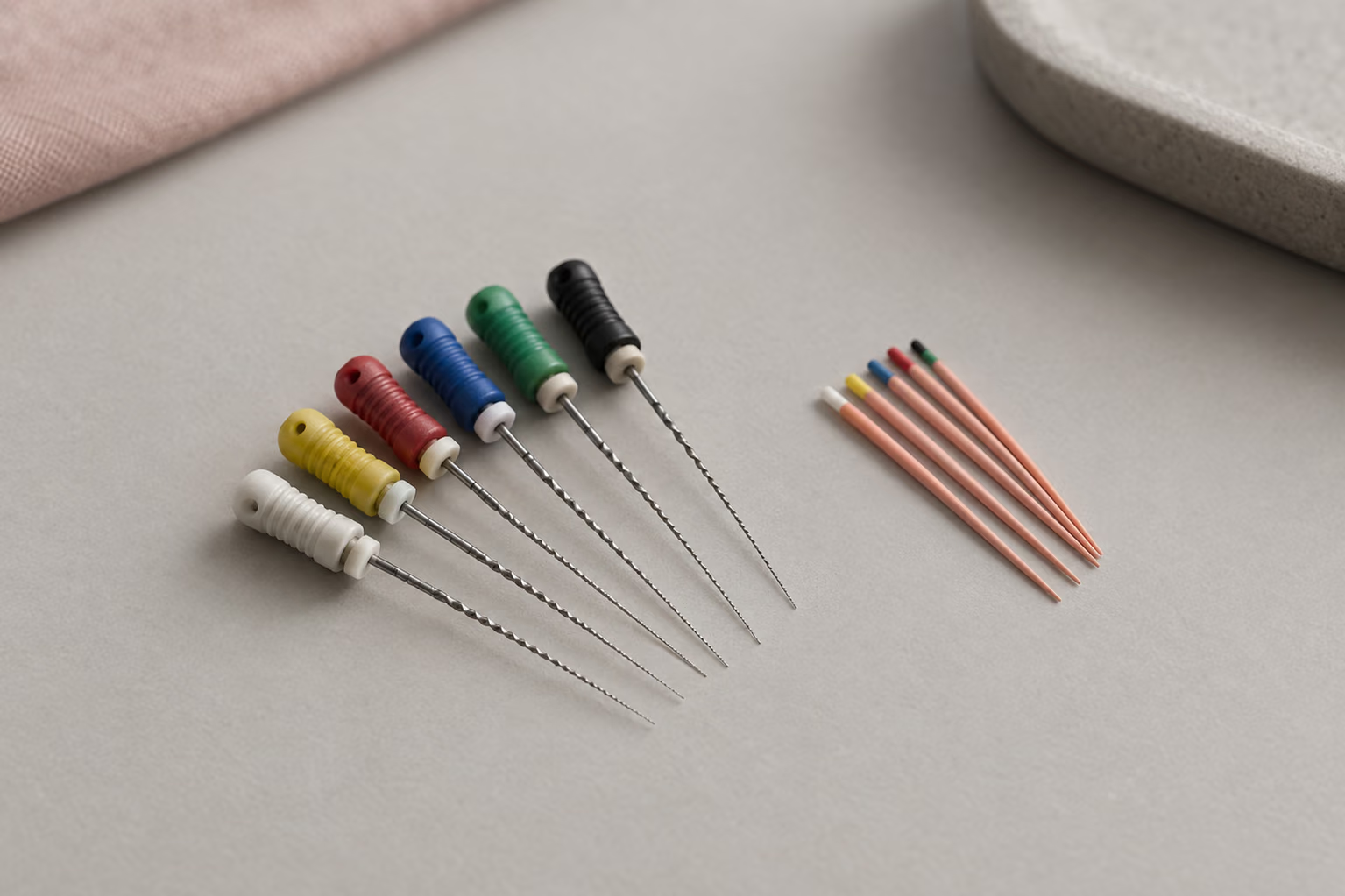
A dental filling rebuilds tooth structure lost to decay or fracture with a suitable material. The aim is to restore the shape and chewing function of the tooth and to stop the decay from progressing.
This page explains when a filling is placed, how it is done and what to pay attention to afterwards, for information purposes.
How does tooth decay progress?
| Stage | What happens | Usually needed |
|---|---|---|
| Early | White spot on the enamel surface | Preventive care, fluoride, monitoring |
| Enamel decay | A cavity forms in the enamel | Filling |
| Dentine decay | Decay reaches the layer below; sensitivity begins | Filling |
| Close to the pulp | Pain becomes noticeable | Deep filling or root canal treatment |
| Reached the pulp | Spontaneous pain, pain at night | Root canal treatment |
In the early stages decay usually causes no pain; this is why regular check-ups matter.
How is a filling placed?
- Examination. The position and depth of the decay are assessed; X-rays are taken if needed.
- Anaesthesia. The area is numbed depending on the depth of the decay.
- Removing the decay. Softened and infected tissue is removed.
- Preparing the cavity. The cavity is shaped so that the filling material can be retained.
- Lining. In deep cavities a base may be placed to protect the pulp.
- Placing the filling. Composite is placed in layers and hardened with light.
- Finishing. The bite is checked, and the surface is shaped and polished.
Filling materials
| Composite resin | Amalgam | |
|---|---|---|
| Appearance | Tooth-coloured | Silver-coloured |
| Application | Bonded to the tooth surface | Packed into the cavity |
| Loss of healthy tissue | Usually less | May be more, for retention |
| Use on front teeth | Suitable | Not suitable |
| Hardening | With light, immediately | Over time |
Which material is suitable depends on the position and size of the cavity and the bite forces.
When is a filling not enough?
- The load-bearing walls of the tooth have largely been lost
- The decay has reached the pulp
- There is a fracture in the root
- Advanced loss of tooth structure extending below the gum line
In these cases an inlay/onlay, a crown or root canal treatment is considered.
Aftercare
| Topic | Advice |
|---|---|
| After anaesthesia | Do not eat until it has worn off |
| Sensitivity | Normal for a few days; report it if it gets worse |
| Bite | If the filling feels high when biting, it should be adjusted |
| Brushing | Twice a day with fluoride toothpaste |
| Between the teeth | Floss regularly — decay often starts between teeth |
| Sugar intake | Reducing how often you have sugar lowers the risk of decay |
| Check-ups | Filling margins are checked at regular examinations |
Risks and possible problems
- Temporary or prolonged sensitivity after the procedure
- Involvement of the pulp and the need for root canal treatment
- Leakage at the filling margin and new decay
- Fracture, wear or loss of the filling
- Chewing complaints due to an uneven bite
- Discolouration of composite fillings over time
This list is not exhaustive. Risks specific to you are discussed during the examination and the informed consent process.
What should patients travelling from abroad consider?
Most fillings are completed in a single visit. How many teeth need treatment, and whether a filling is enough, is decided only after an examination and, where needed, X-rays.
- Visits: mostly one visit; about 20–45 minutes per filling.
- If decay is deep: root canal treatment or a crown may be needed instead, which takes additional visits.
- Records in advance: recent X-rays can be shared before your visit.
- Back home: filling margins can be checked at regular examinations with a local dentist.
About treatment fees
No fee information is given on this page. The number and size of fillings and the chosen material vary from person to person; fees can only be discussed after an examination.